
Explore the Vital Springs of the Hualapai Tribe
Monitoring the Lifeblood of Our Ecosystem
Learn about their current status and the ongoing efforts to preserve these natural resources.
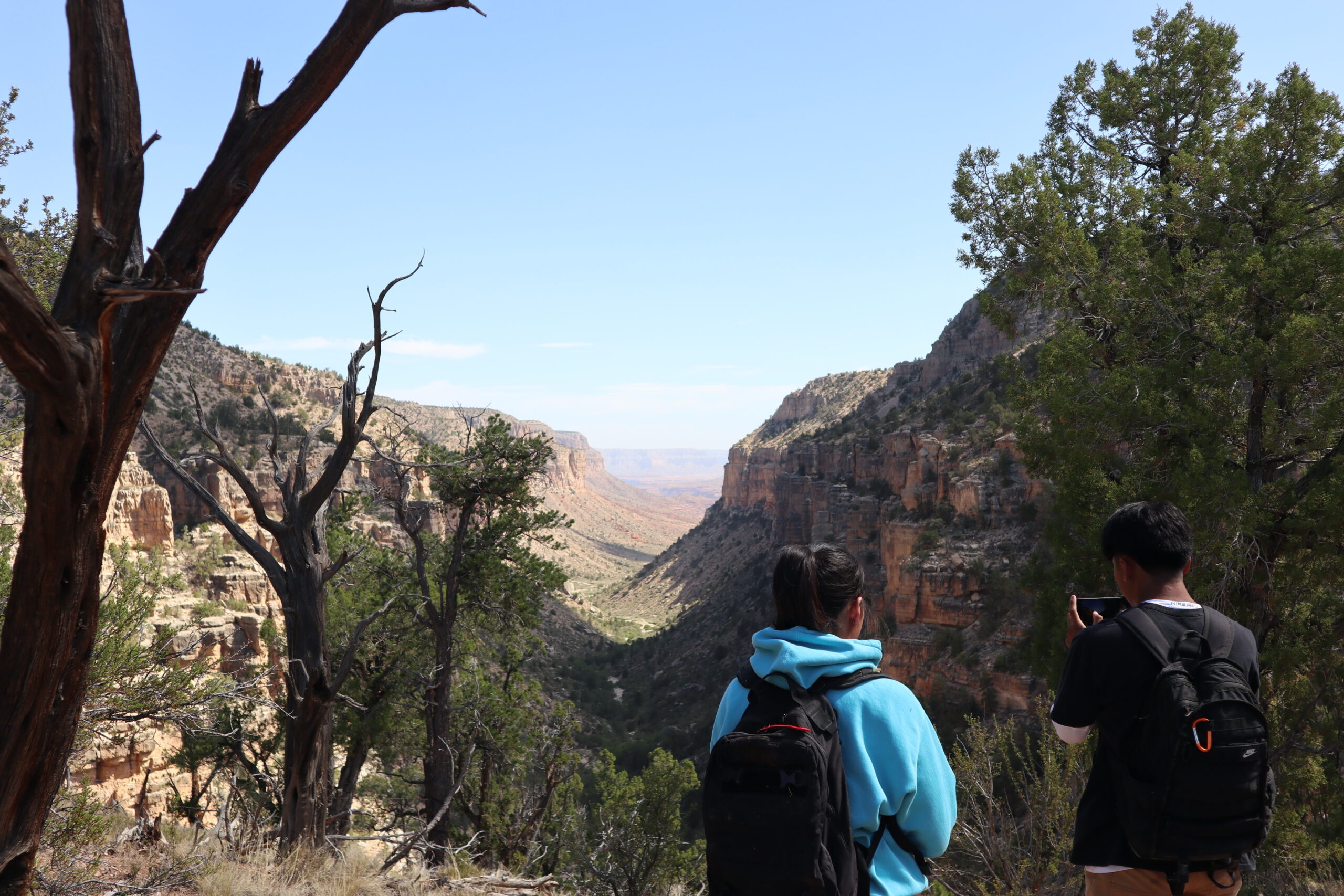
Hualapai Springs Highlight
Hidden Treasure of Peach Springs:
The Hualapai Snail
Hidden within the upper Peach Springs lies the Hualapai pyrg (Pyrgulopsis hualapaiensis), a rare/endemic freshwater snail found nowhere else in the world and a vital part of this unique ecosystem.
Peach Springs:
Cultural and Ecological Significance
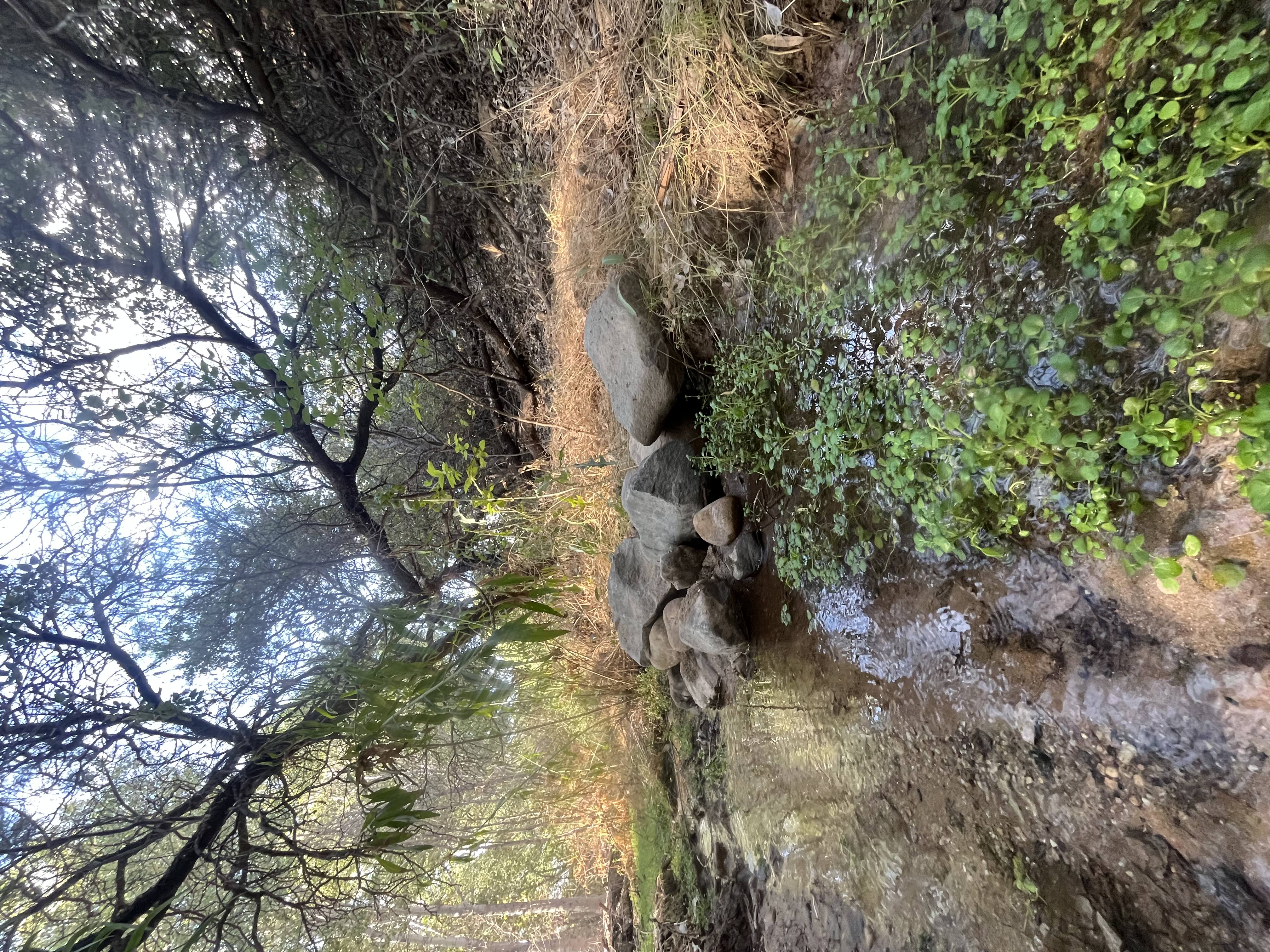
Peach Springs has been an important water source for the Hualapai Tribe for generations. Historically, the surface water was used for drinking by residents and served the nearby railroad station. Today, the spring supports agricultural activities, construction, and serves as a backup water supply. In the future, there are plans to restore it as a potable water source.
Beyond its practical uses, the spring nurtures plants that are vital to Hualapai culture, including:
-
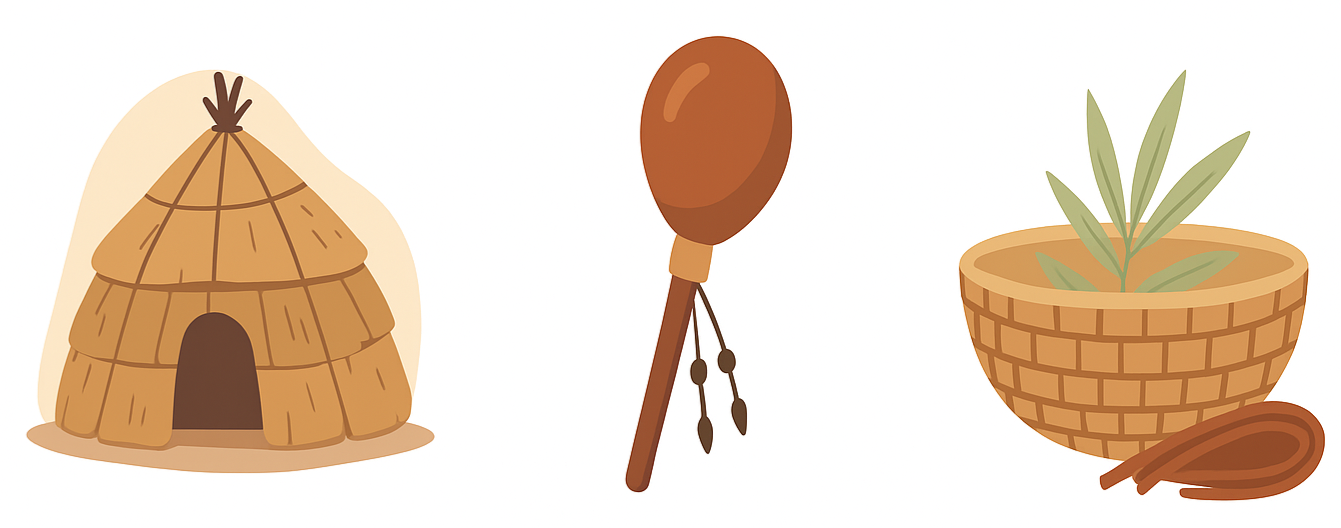
Gooding willow (Salix gooddingii) – used for basket weaving; roots traditionally used to make Hualapai cradle boards.
-
Southern cattail (Typha domingensis) – harvested for basket weaving.
-
Cottonwood (Populus fremontii) – wood used for handles on gourd rattles.
-
Catclaw acacia (Senegalia greggii) – stems used for cradle boards.
-
Sumac (Rhus trilobata var. simplicifolia) – berries edible and stems used for basket weaving.
-
Wild coyote tobacco (Nicotiana attenuata) – used for ceremonial smoking.
-
Western honey mesquite (Prosopis glandulosa) – wood burned for fire, beans edible, roots used for cradle board frames, sap used for tea.
-
Torrey mormon tea (Ephedra torreyana) – used for tea making.
-
Prickly pear (Opuntia spp.) – fruits used for jam and juice.
-
Yucca (Yucca baccata) – edible parts.
-
Juniper (Juniperus spp.) – berries edible, used for jewelry, and branches/brush used for roofing the wikiup; bark used for lining.
Peach Springs not only provides essential water resources but also supports a diverse ecosystem of culturally significant plants, highlighting the deep connection between the Hualapai people and their natural environment.
Spring Status Updates
Current Observations
Recent assessments have identified expanding cattail and tamarisk growth in key spring habitats, prompting active management efforts to control and remove these species in priority areas.
Some springs have shown a decrease in flow rate, which may be indicative of broader environmental changes. Further investigation is required to determine the cause and develop appropriate conservation strategies.
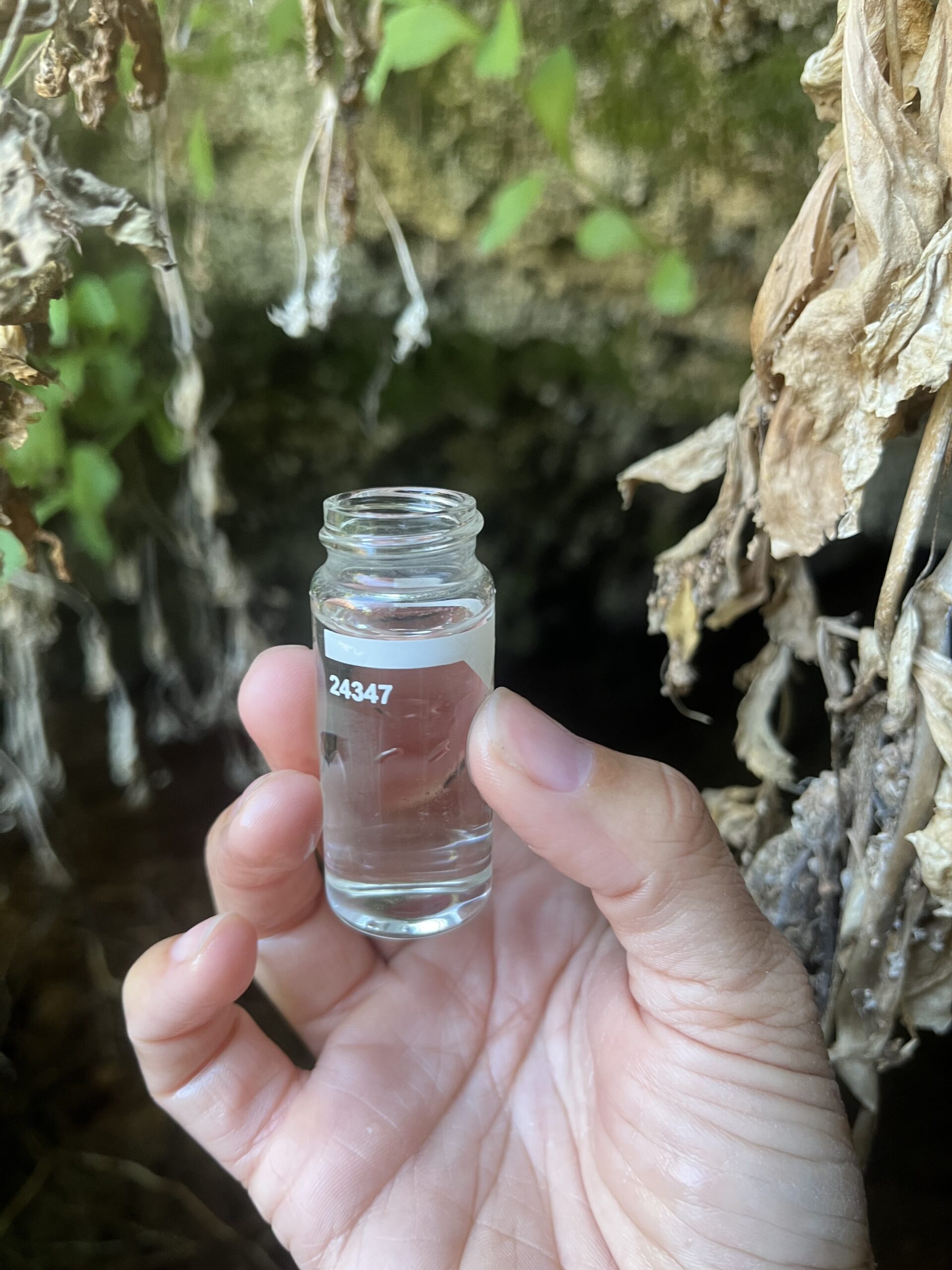
Slightly elevated E. coli levels were observed in a few remote springs due to livestock presence, wildlife use during low-flow periods, and warm summer temperatures, but all values remained within the Tribe’s Water Quality Standards.
Explore the Beauty of Water
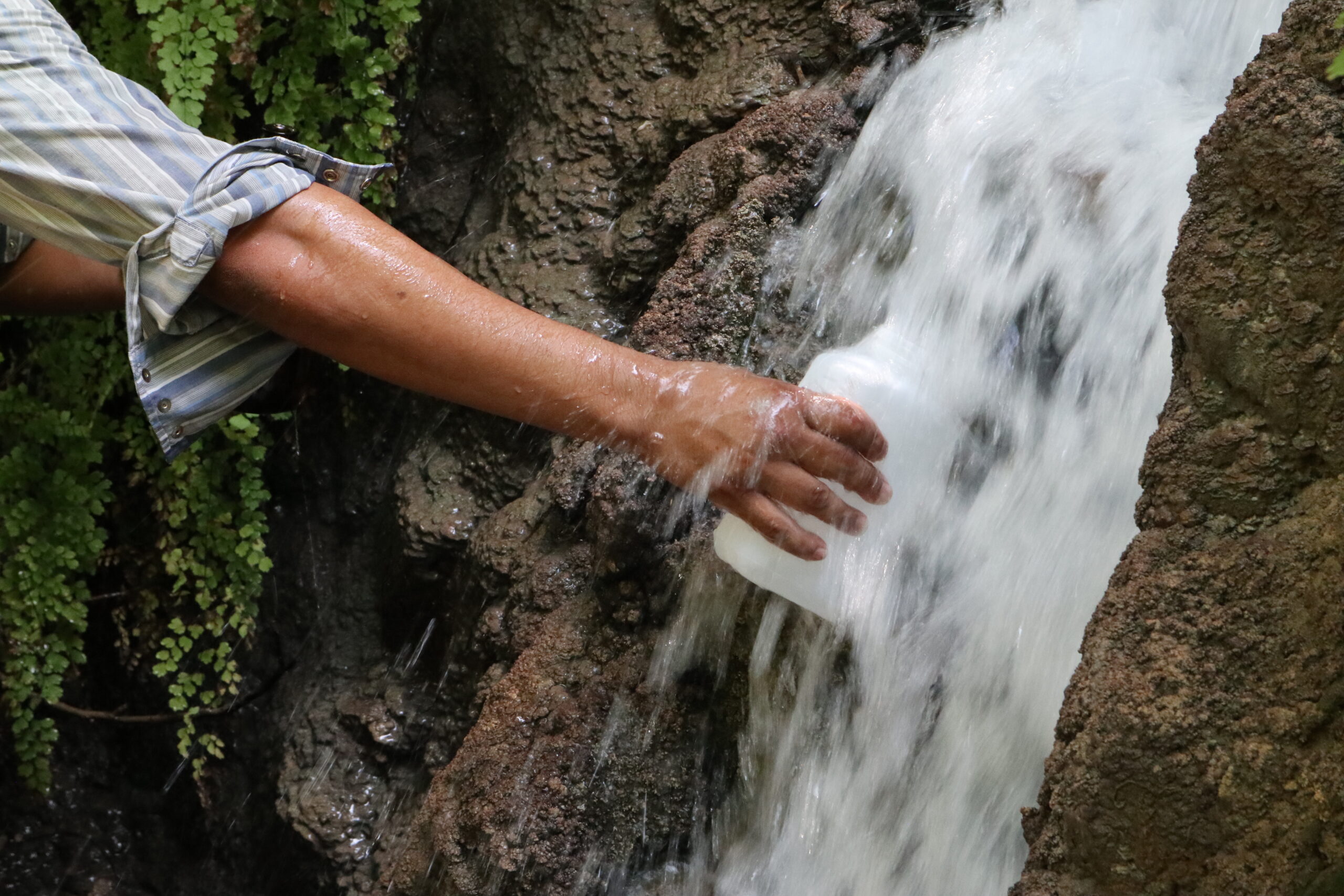
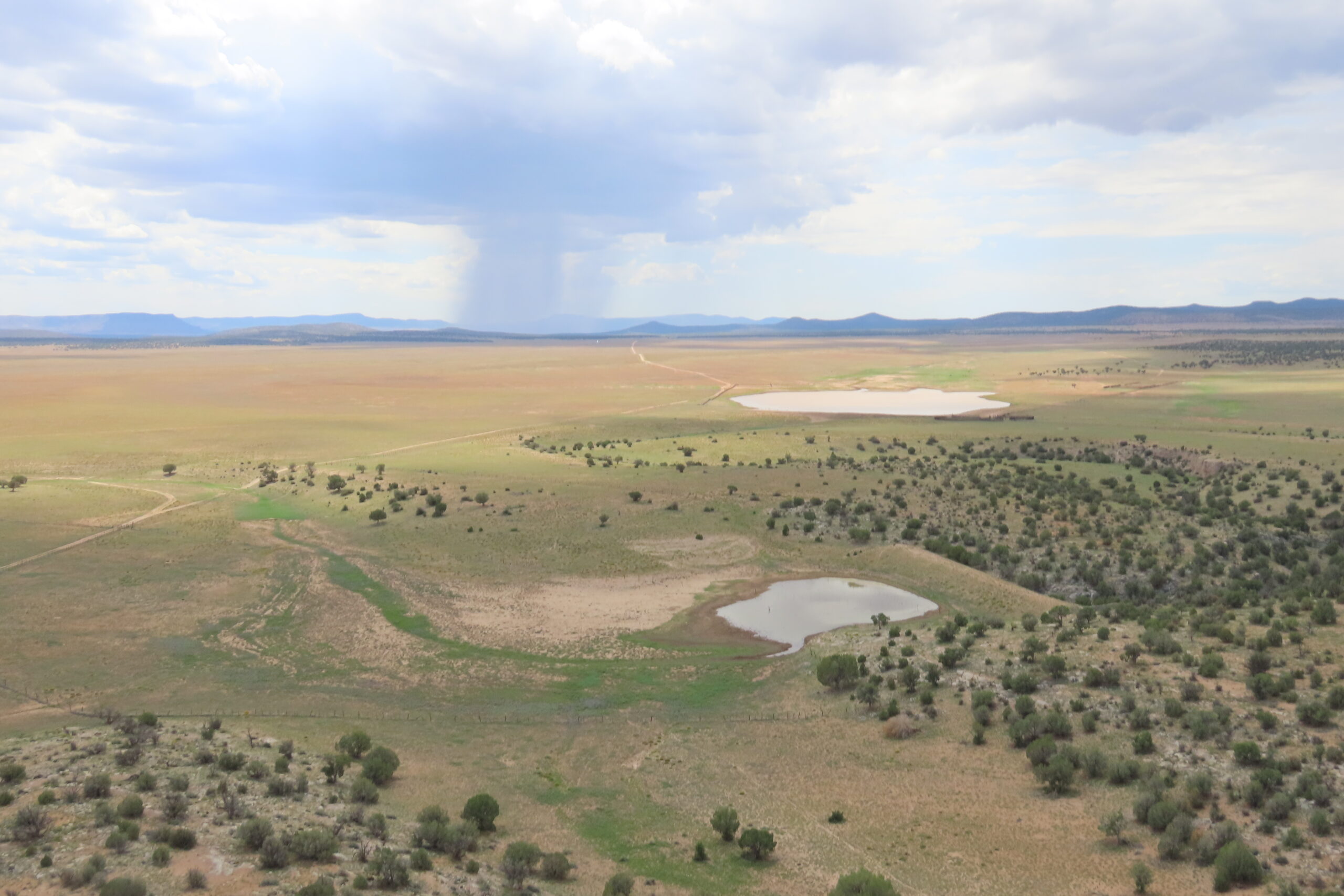
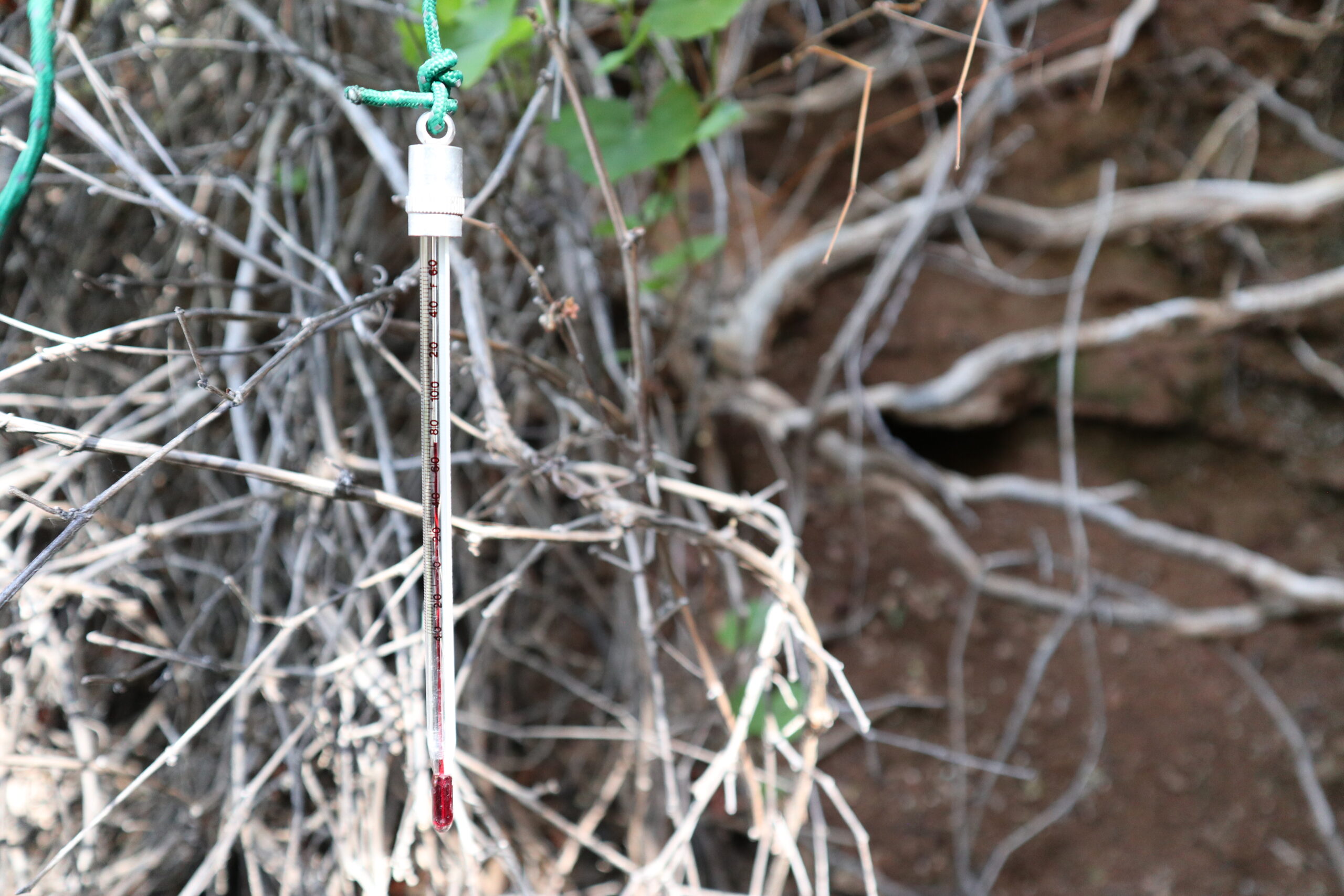
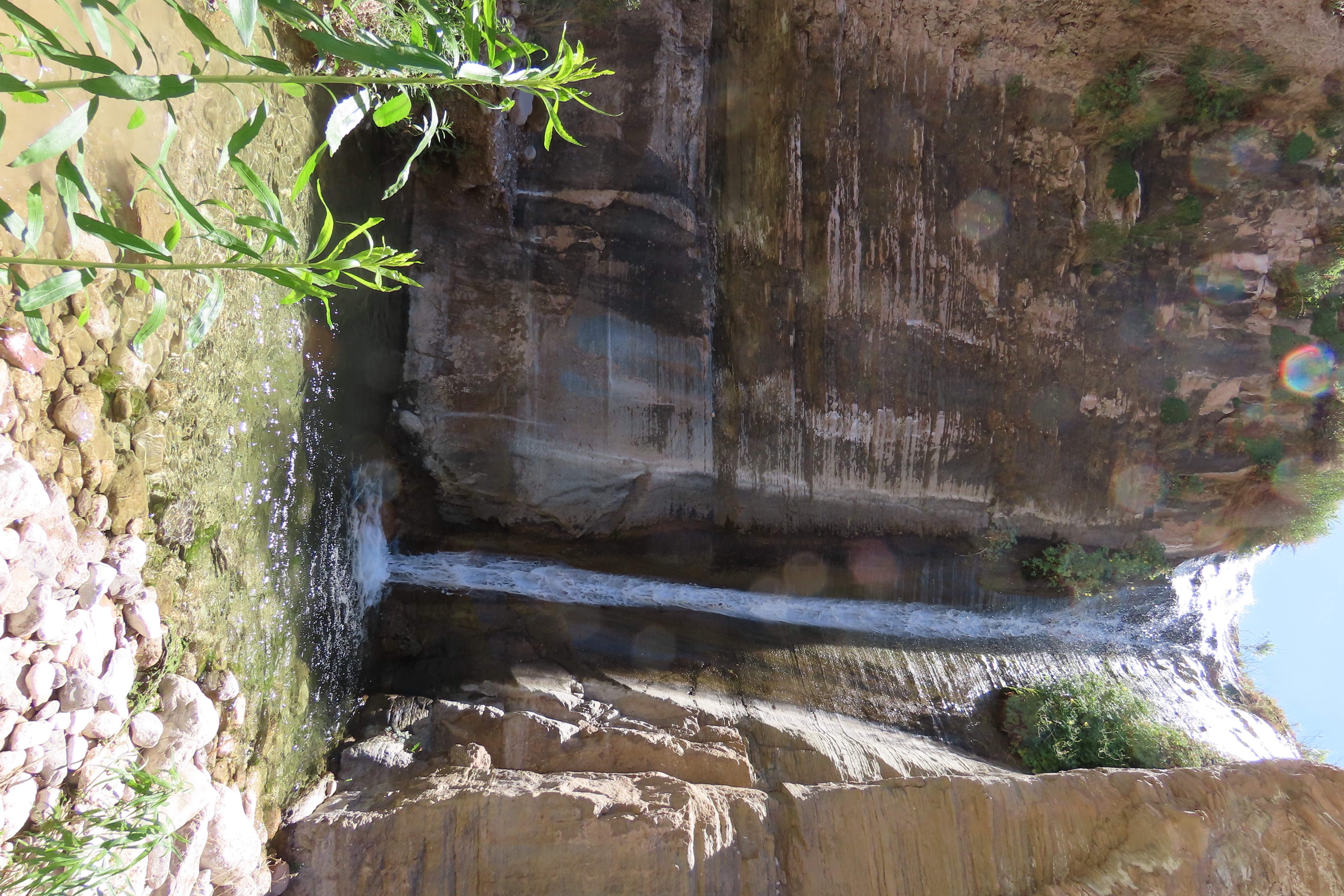
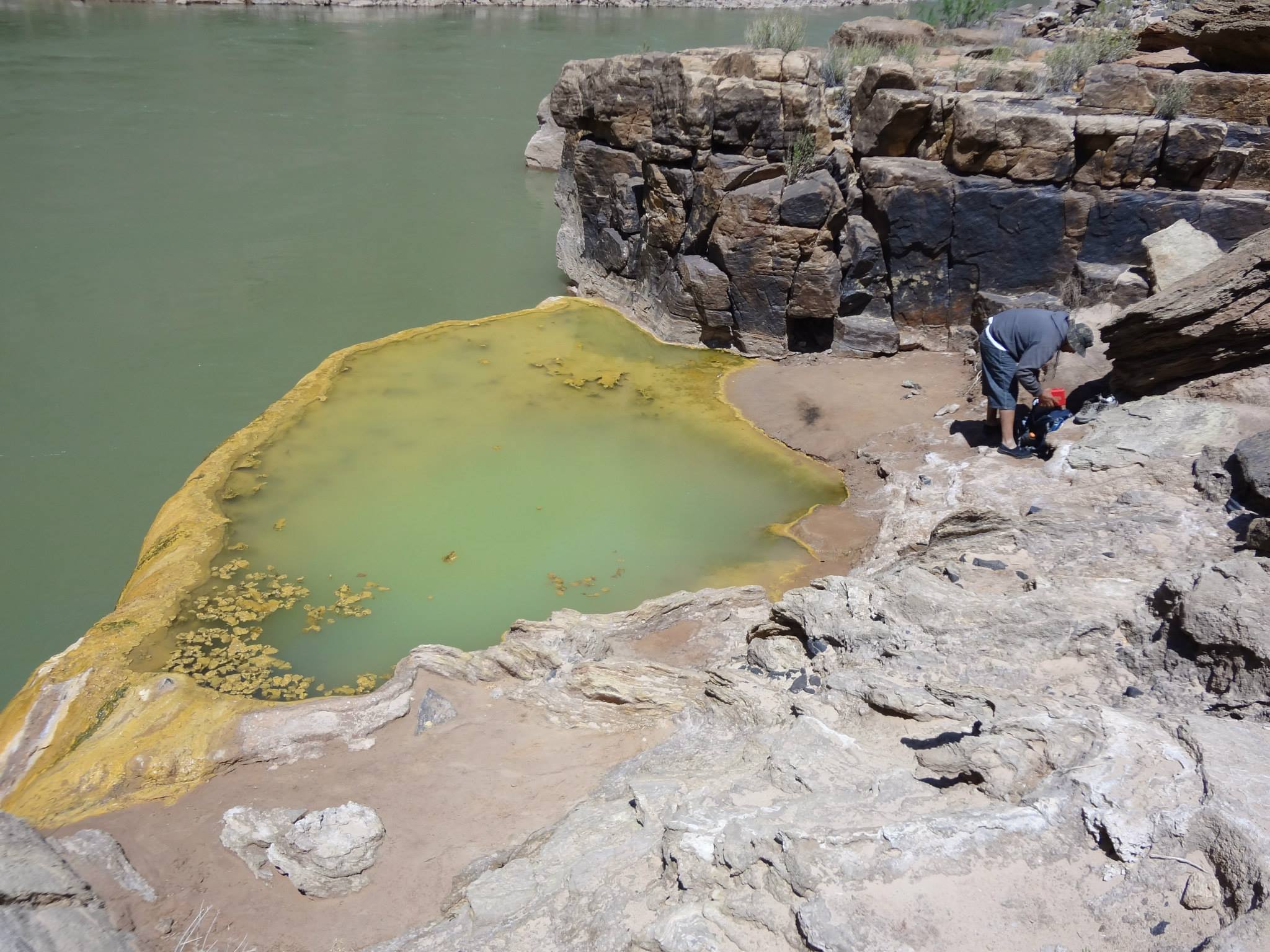
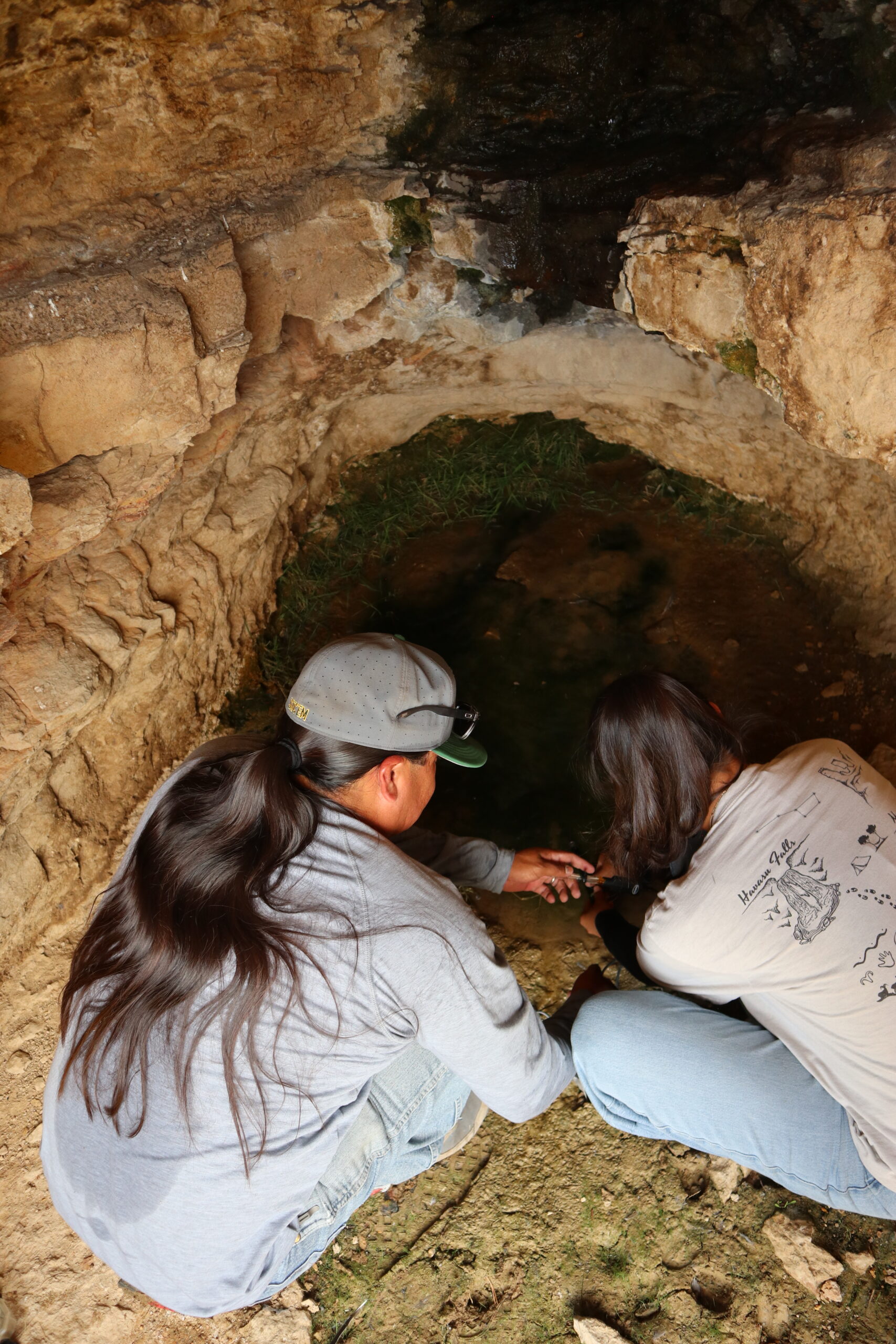
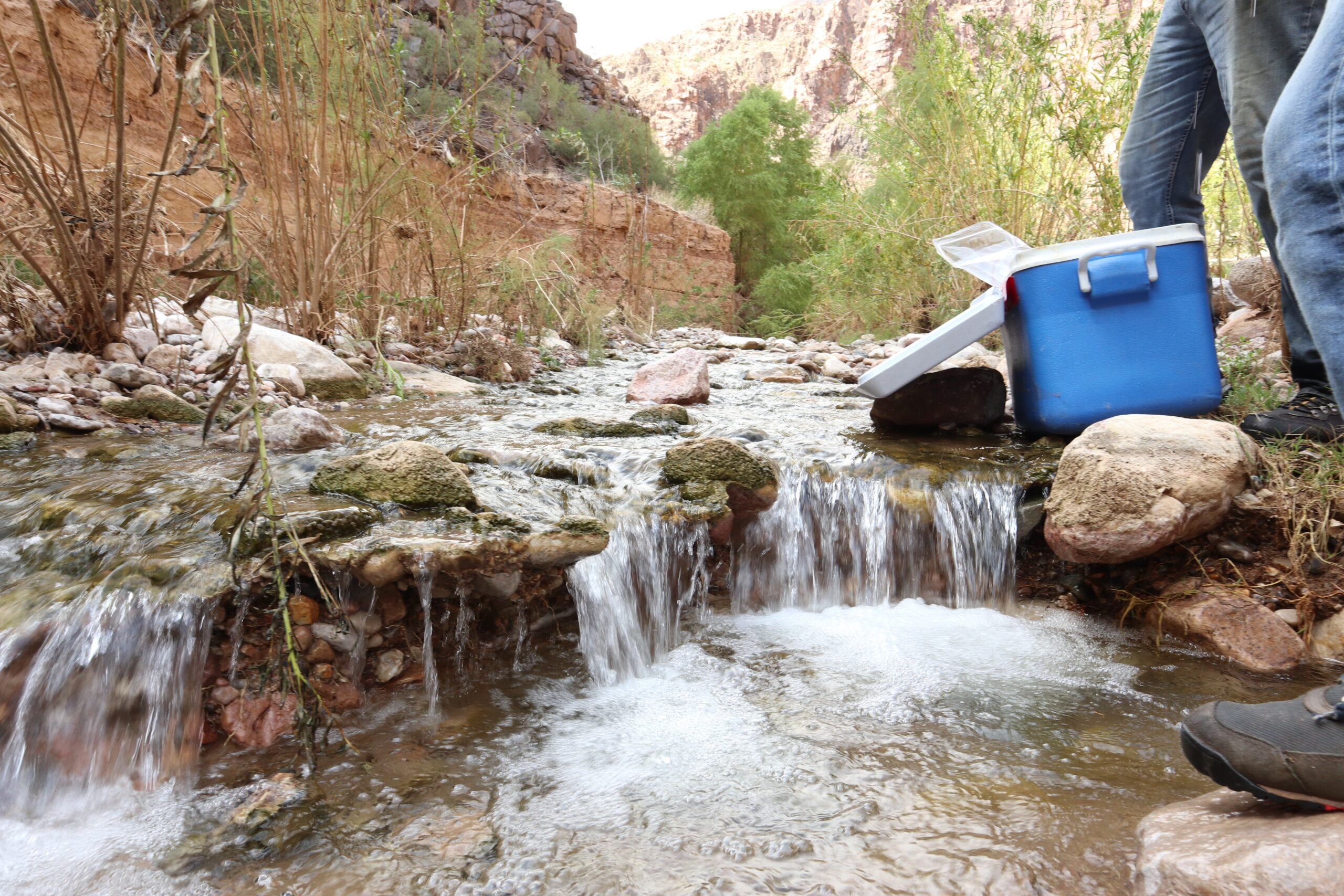
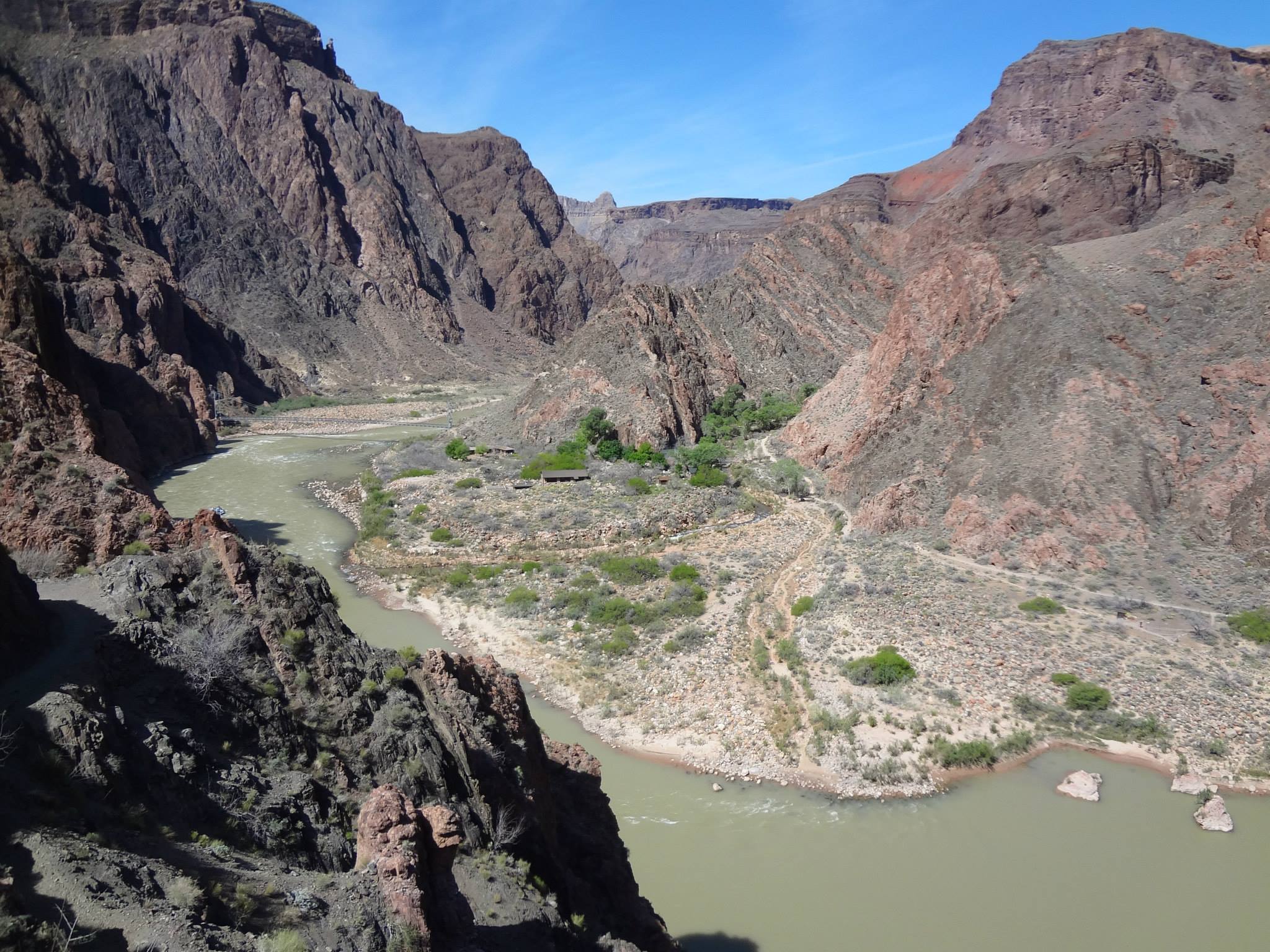
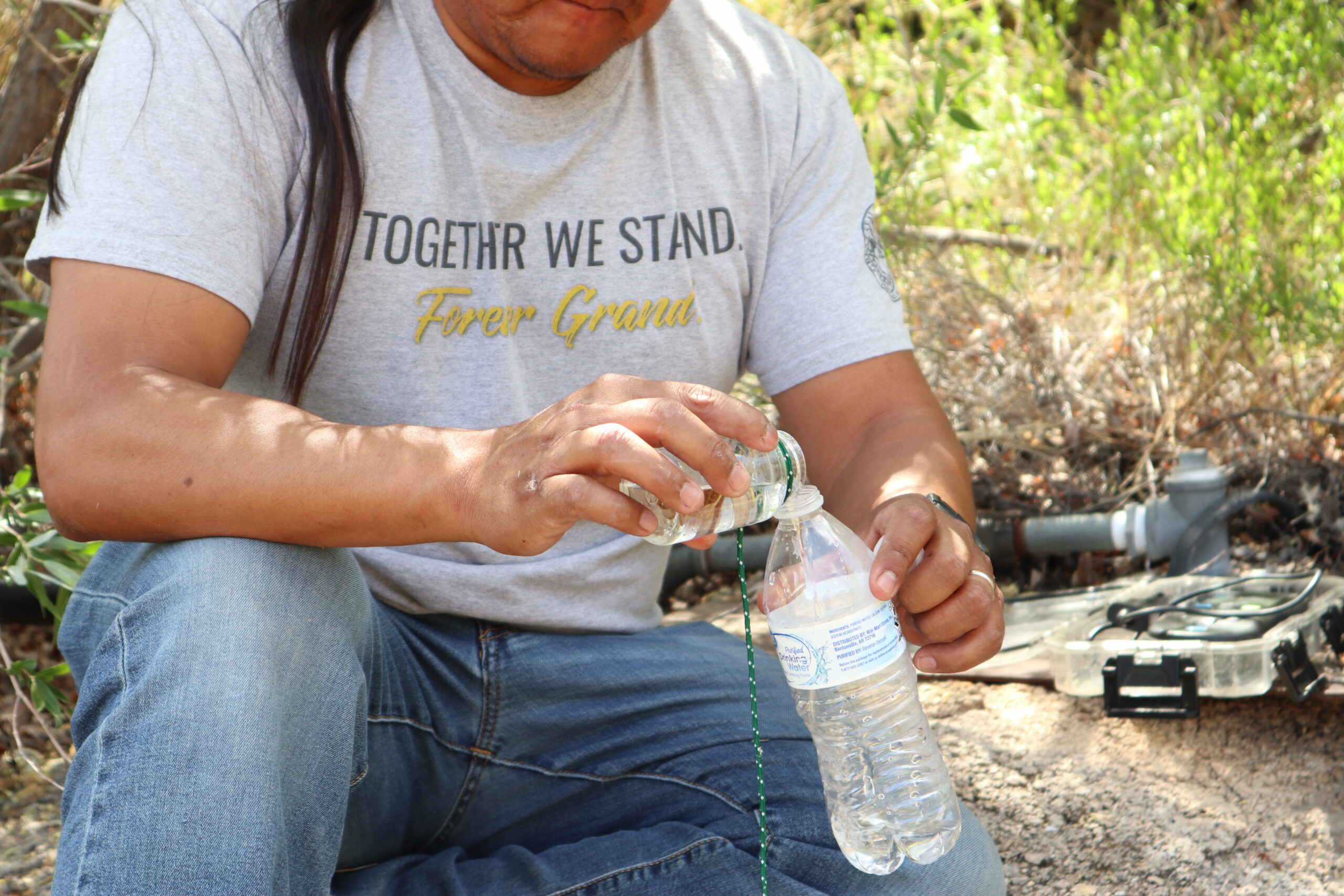
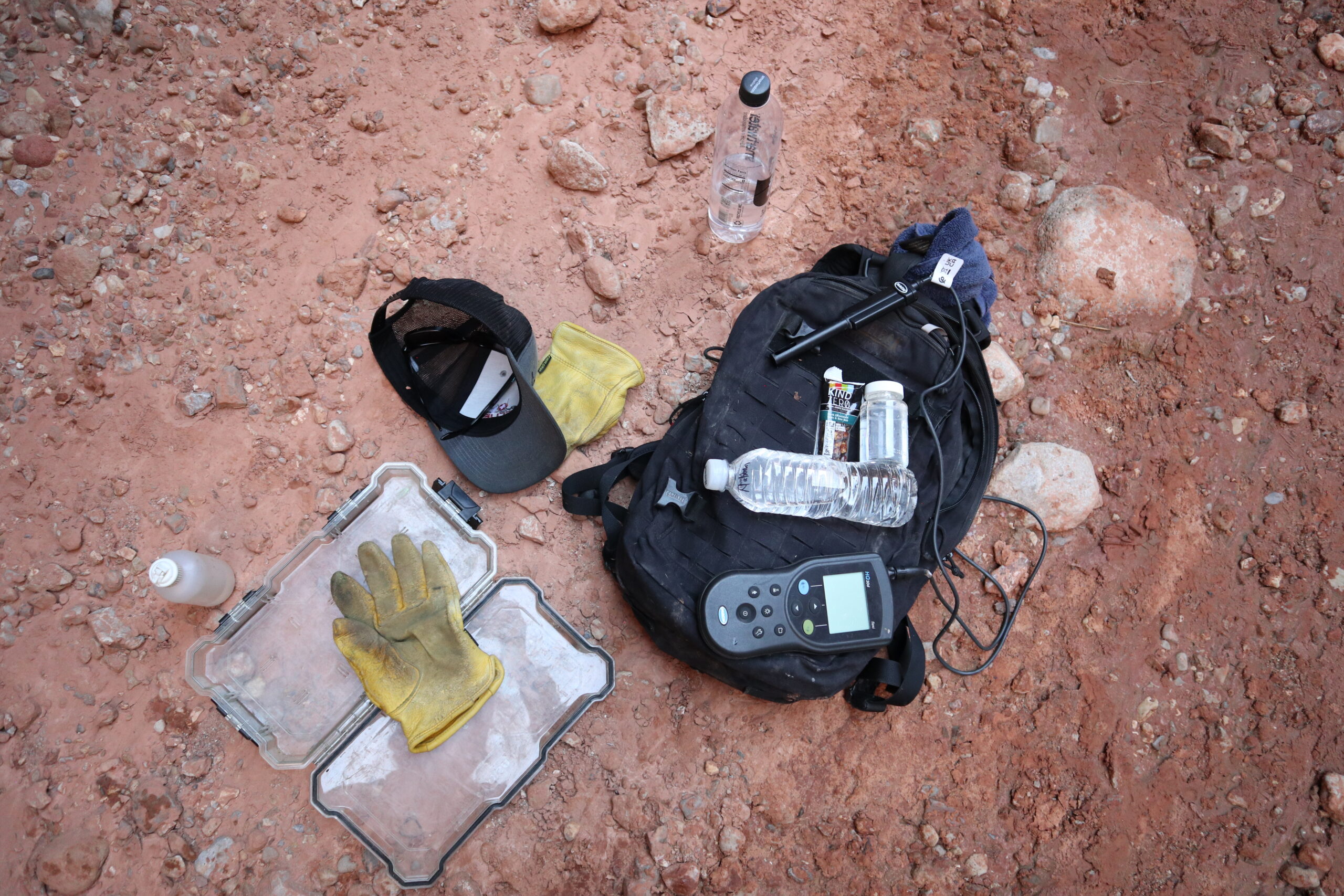
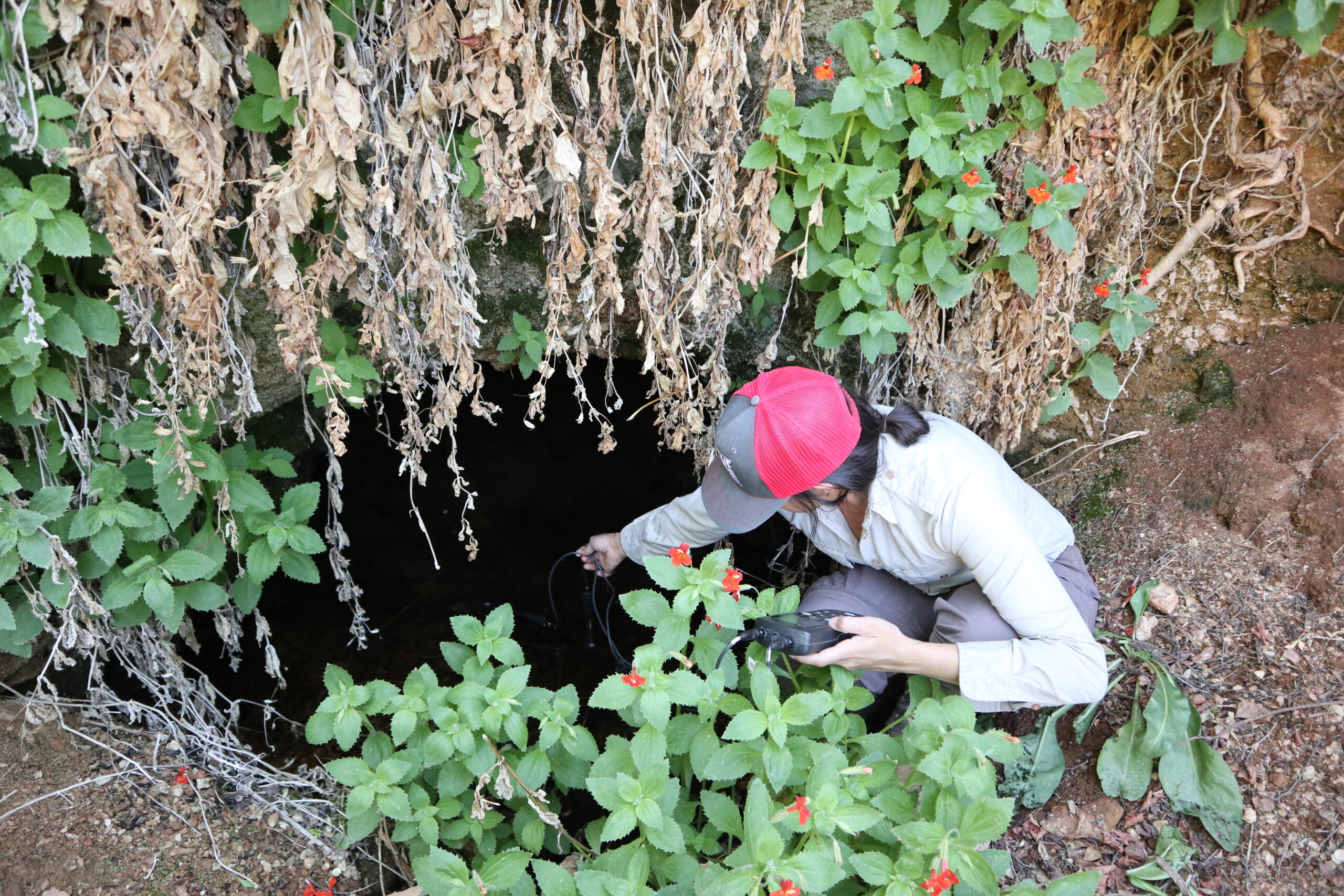
Immerse yourself in the breathtaking views of the Hualapai Tribe’s water resources. Our gallery features stunning images of these vital water resources and our work, highlighting their natural beauty and importance to the ecosystem.

Join Our Conservation Efforts
Discover how you can contribute to conserving the precious water resources of the Hualapai Tribe. Learn about our initiatives and find out how you can make a difference with the Hualapai Department of Natural Resources.