
Understanding Our Water Resources Program
Water Quality Parameters
Discover the essential parameters and springs that define our water resources program, crucial for sustaining the natural beauty of the Hualapai lands.
Springs & Water Quality Data
Why am I seeing codes instead of spring names?
Our springs are among the most valuable and delicate resources on Hualapai lands. To protect them, we share water quality information using code names rather than exact locations. This approach helps us respect and safeguard these special places, ensuring they remain healthy for the community, the plants and animals that depend on them, and future generations.
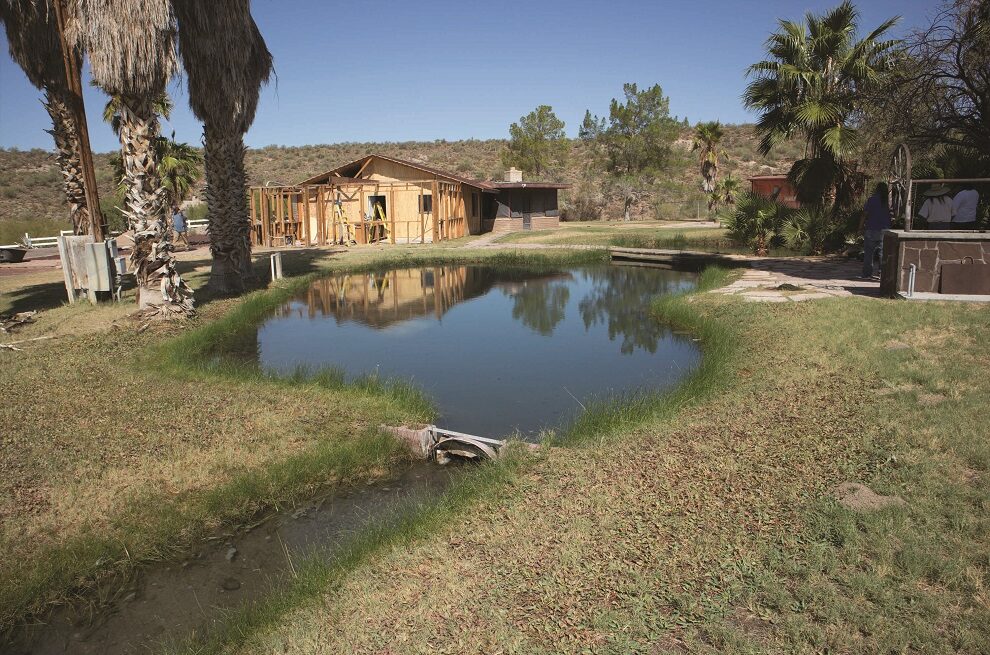
G6
Sampling site is in the old bathing area of the pond. Water is flowing down from the well and near the pump. Well is about 25ft from the pond. Algae growth in the sampling area and Tilapia swimming. Sedges and grass growing along the edges of the pond. Palm trees also growing around pond. Birds chirping and eating bugs in the air. The skies are clear with a small breeze. Temperature is 84F.
pH: 7.44 | Conductance: 1324 µS/cm | Salinity: 0.66% | Total Dissolved Solids (TDS): 658 mg/L | Dissolved Oxygen (DO): 3.28 mg/L | DO% Saturation: 50.2 | Turbidity: 0.89 ntu | Water Temperature: N/A | Air Temperature: N/A | Phosphate (PO4): N/A | Nitrate (NO3): 0.55 | Nitrite (NO2): 0.005| Inorganic Nitrogen (NO2 + NO3): 0.055 | Escherichia coli (E. coli) : 1
Year of Data: 2021

S1B
Took water sample at different location underneath dead cattail, water flow changed, flies, frogs, had to clear out dead cattail and that may add to high turbidity, re-took sample just in case, and had a lower number.
pH: 8.27 | Conductance: 526 µS/cm | Salinity: 0.25% | Total Dissolved Solids (TDS): 255 mg/L | Dissolved Oxygen (DO): 8.51 mg/L | DO% Saturation: 108.8| Turbidity: 15.2 ntu | Water Temperature: 25.2 | Air Temperature: 35 | Phosphate (PO4): 1.0 mg/L | Nitrate (NO3): 0.27 mg/L| Nitrite (NO2): 0.004 mg/L| Inorganic Nitrogen (NO2 + NO3): 0.274 mg/L | Escherichia coli (E. coli) : 133.4
Year of Data: 2025
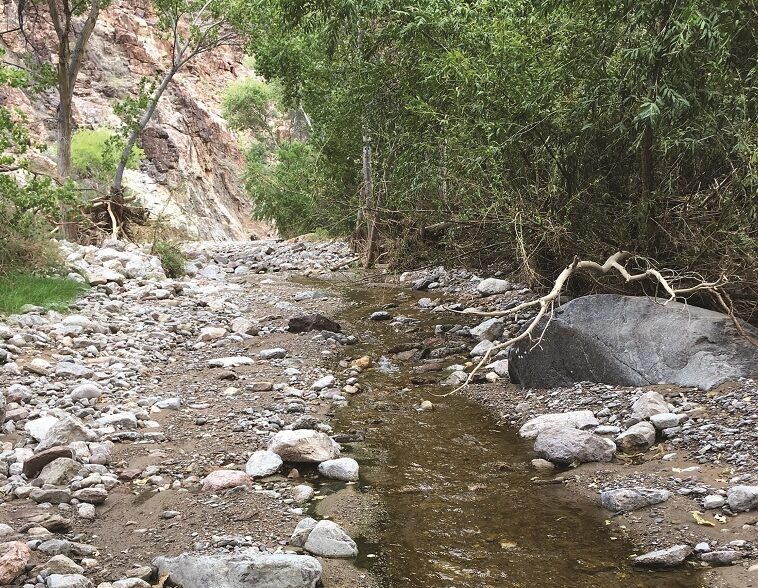
S3
Getting to sampling site was a little harder due to low flooding causing the banks to get a little steep. Willow, cotton wood, tamaris, and mesquite trees growing along stream. Birds and cicadas making noise, Water cress and grass growing in the stream. Dragon and damsel flies seen.
pH: 4.71 | Conductance: 578 µS/cm | Salinity: 0.28% | Total Dissolved Solids (TDS): 280 mg/L | Dissolved Oxygen (DO): 7.78 mg/L | DO% Saturation: 99.6 | Turbidity: 0.97ntu | Water Temperature: 24.5 | Air Temperature: N/A | Phosphate (PO4): 1.0mg/L | Nitrate (NO3): 0.11mg/L| Nitrite (NO2): 0.007mg/L| Inorganic Nitrogen (NO2 + NO3): 0.117mg/L | Escherichia coli (E. coli) : 3.1
Year of Data: 2024
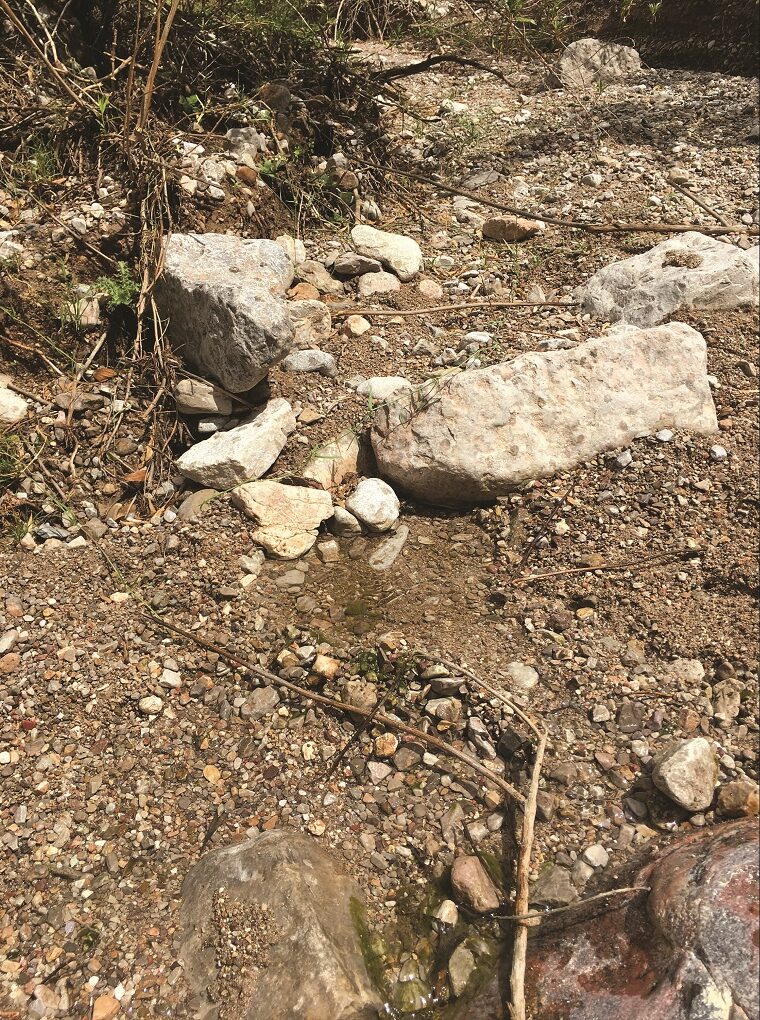
S4
The spring has about 50gpm going down to the river, we sampled about 30yds from the bridge formation, arrow weed, cattail, willow, monkey flower, grass, all growing along sample site. butterflies, dragonflies, damsel flies, bees, and thistles at the sight.
pH: 8.16 | Conductance: 420 µS/cm | Salinity: 0.20% | Total Dissolved Solids (TDS): 202.2 mg/L | Dissolved Oxygen (DO): 8.54 mg/L | DO% Saturation: 113.1 | Turbidity: 1.28 ntu | Water Temperature: 27.8 | Air Temperature: N/A | Phosphate (PO4): 3.3 mg/L | Nitrate (NO3): .02 mg/L| Nitrite (NO2): .000 mg/L| Inorganic Nitrogen (NO2 + NO3): .020 mg/L | Escherichia coli (E. coli) : 4
Year of Data: 2024
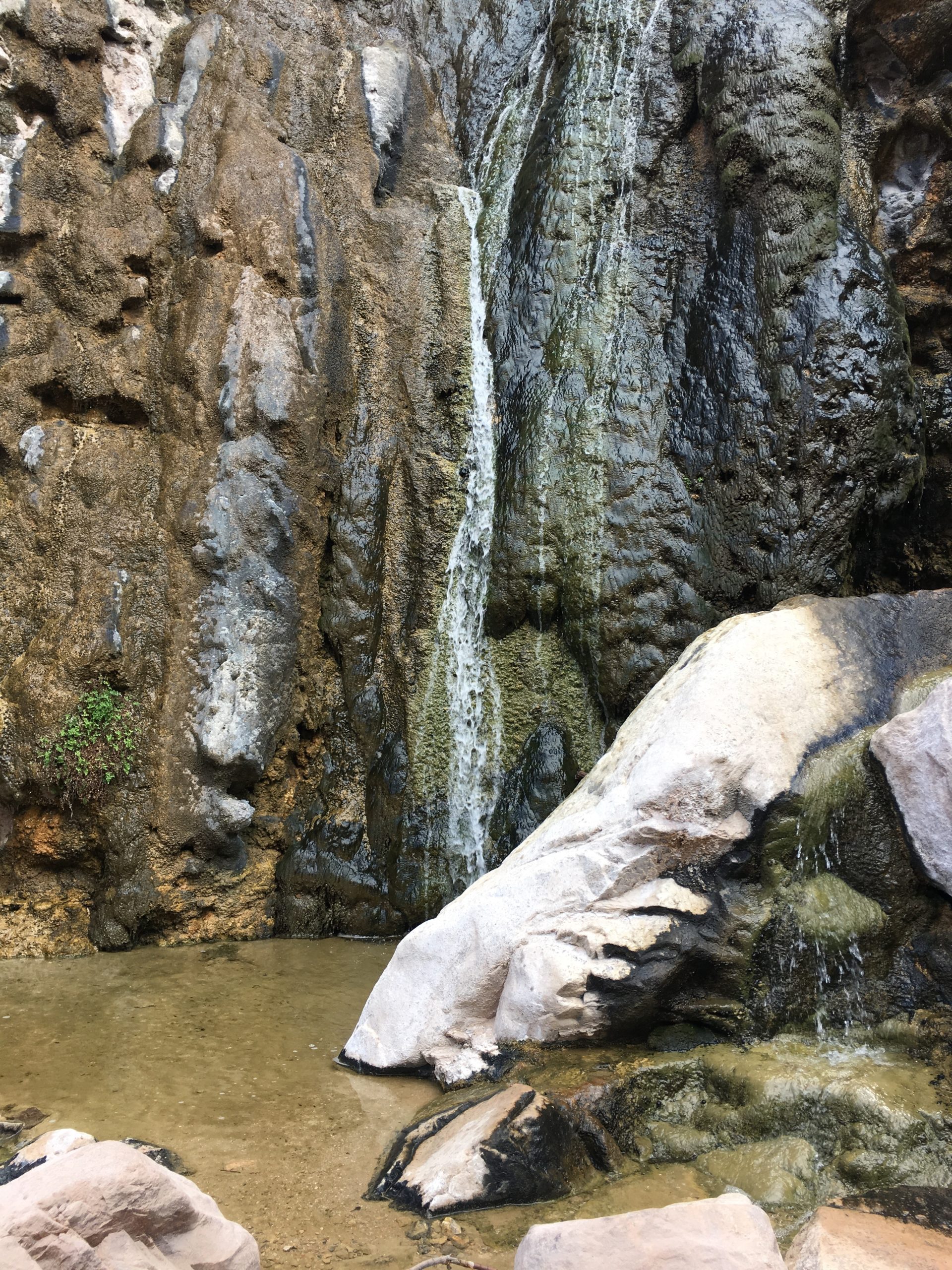
S6
The spring comes out of the very tall travertine cliff. It then flows down stream to the river about 200yds. There is a lot of mesquite growing along the stream. Cattail, tamarisk, arrow weed, hanging garden, monkey flower grow in and around the spring flow.
pH: 8.88| Conductance: 1292 µS/cm | Salinity: 0.64% | Total Dissolved Solids (TDS): 6.41 mg/L | Dissolved Oxygen (DO): 8.83 mg/L | DO% Saturation: 111.9| Turbidity: 1.00 ntu | Water Temperature: 24.4 | Air Temperature: N/A | Phosphate (PO4): 1.1mg/L | Nitrate (NO3): 0mg/L | Nitrite (NO2): 0mg/L| Inorganic Nitrogen (NO2 + NO3): 0.0mg/L | Escherichia coli (E. coli) :1
Year of Data: 2024
S9
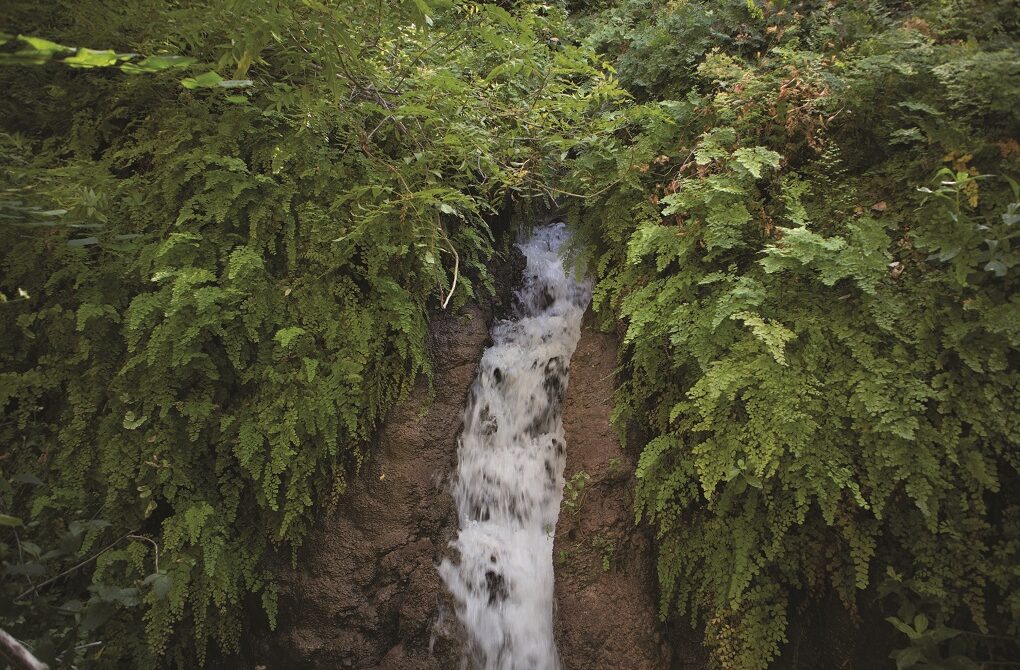
Grand Canyon pink rattle snake, hanging garden, monkey flower, columbine, beetle, multiple small waterfalls coming down rock wall, dense vegetation surrounding creek, ants, spider eating dragonfly.
pH: 8.61 | Conductance: 283 µS/cm | Salinity: 0.18% | Total Dissolved Solids (TDS): 183.8 mg/L | Dissolved Oxygen (DO): 7.97 mg/L | DO% Saturation: 108 | Turbidity: 0.87 ntu | Water Temperature: 26.8 | Air Temperature: 28 | Phosphate (PO4): 1.9 mg/L | Nitrate (NO3): 0.42 mg/L| Nitrite (NO2): 0.005 mg/L| Inorganic Nitrogen (NO2 + NO3): 0.425 mg/L | Escherichia coli (E. coli) : <1
Year of Data: 2025
S13
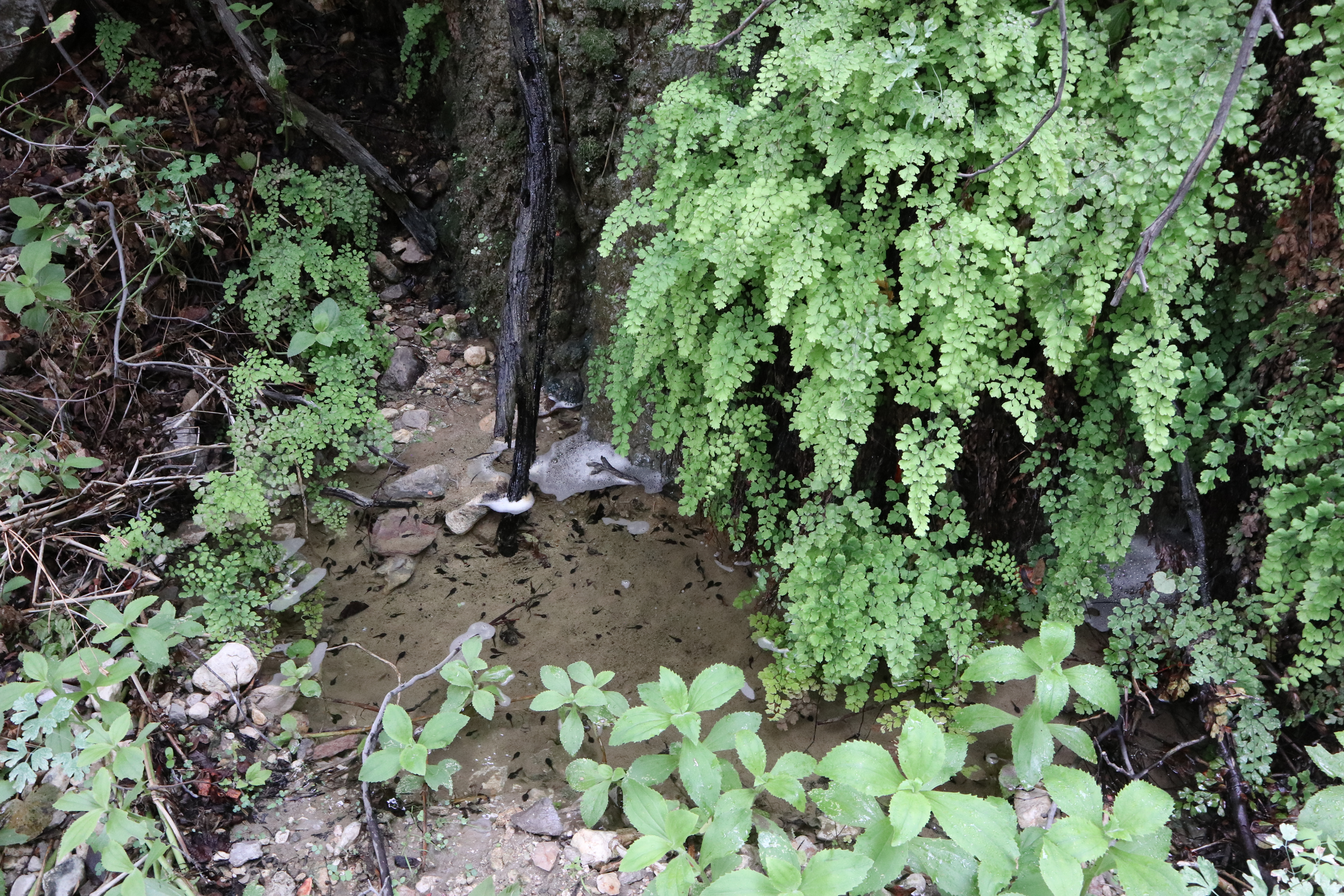
Monkey flower, water crest, hanging garden, tad pole, (a lot of them), water falling from wall.
pH: 8.87 | Conductance: 508 µS/cm | Salinity: 0.24% | Total Dissolved Solids (TDS): 246 mg/L | Dissolved Oxygen (DO): 8.47 mg/L | DO% Saturation: 105.8| Turbidity: 1.59 ntu | Water Temperature: 20.8 | Air Temperature: 24 | Phosphate (PO4): 0.0 mg/L | Nitrate (NO3): 0.55 mg/L| Nitrite (NO2): 0.009 mg/L| Inorganic Nitrogen (NO2 + NO3): 0.559 mg/L | Escherichia coli (E. coli) : 9.5
Year of Data: 2025
S15
Spring is showing signs of recovery, water strider, water beetles, grass, spike brush, water cress, flies, birds chirping, brown algae. Weather is cloudy.
pH: 7.95| Conductance: 594 µS/cm | Salinity: 2.29% | Total Dissolved Solids (TDS): 288 mg/L | Dissolved Oxygen (DO): 10.01 mg/L | DO% Saturation: N/A| Turbidity: 3.38 ntu | Water Temperature: 19.8 Air Temperature: N/A | Phosphate (PO4): .5 mg/L | Nitrate (NO3): 0.00 mg/L| Nitrite (NO2): 0.000 mg/L| Inorganic Nitrogen (NO2 + NO3): 0.000 mg/L | Escherichia coli (E. coli) : 93.3
Year of Data: 2024
S17
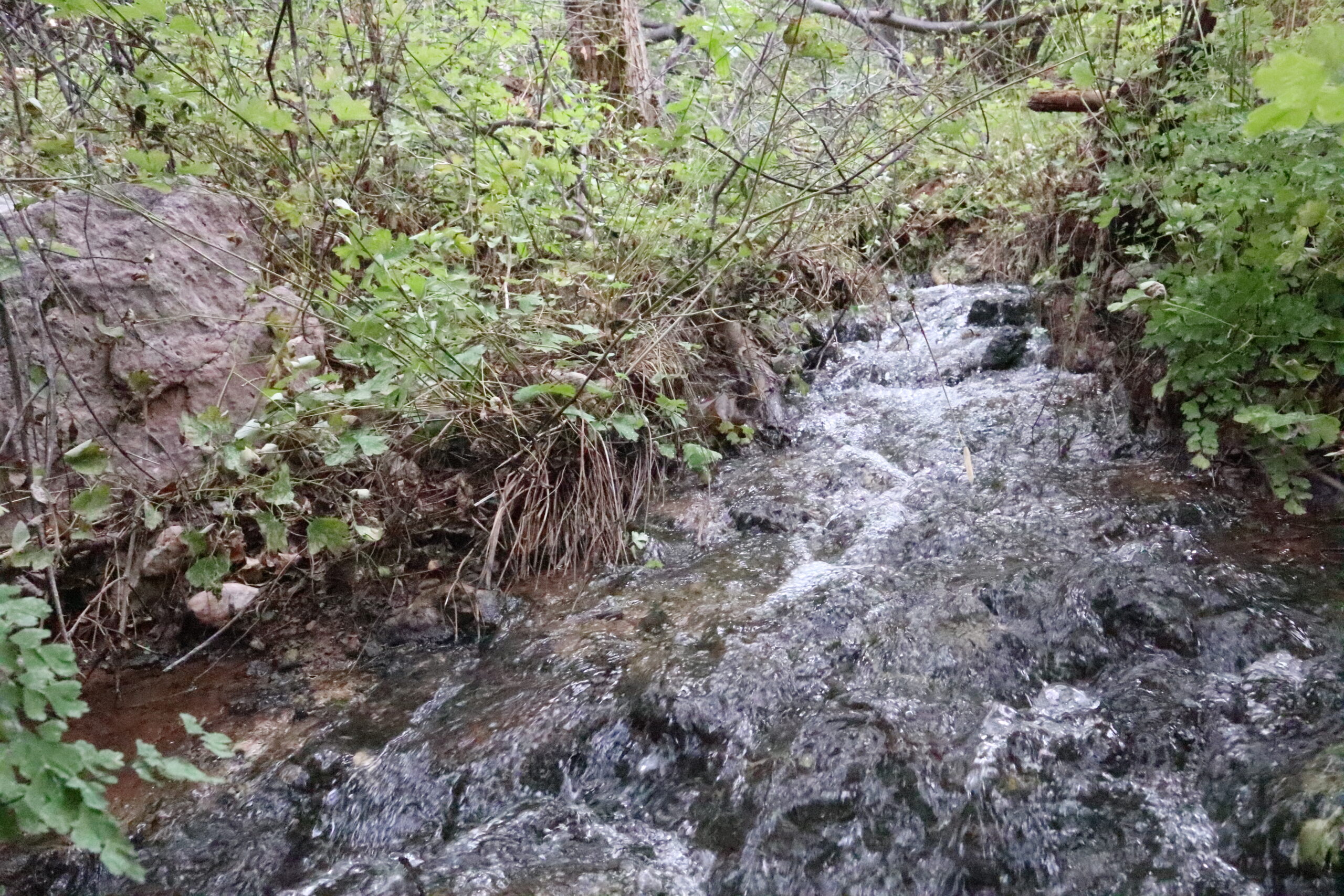
Creek water is flowing, very dense vegetation surrounding it, columbine flowers, grass, gooding willow
pH: 8.83 | Conductance: 477 µS/cm | Salinity: 0.23% | Total Dissolved Solids (TDS): 230 mg/L | Dissolved Oxygen (DO): 8.31 mg/L | DO% Saturation: 107.5| Turbidity: 0.80 ntu | Water Temperature: 22.1 | Air Temperature: 22 | Phosphate (PO4): 1.1 mg/L | Nitrate (NO3): 0.55 mg/L| Nitrite (NO2): 0.002 mg/L| Inorganic Nitrogen (NO2 + NO3): 0.552 mg/L | Escherichia coli (E. coli) : 16.1
Year of Data: 2025
S20B
There are Tall cottonwood trees that cover the spring, There is tall grass and cattail growing along the flow. The flow goes down to the road and along it for a 100 yds. Cloudy skies with a slight breeze.
pH: 7.31 | Conductance: 678 µS/cm | Salinity: 0.33% | Total Dissolved Solids (TDS): 330 mg/L | Dissolved Oxygen (DO): 1.98 mg/L | DO% Saturation: 69.0| Turbidity: 1.90 ntu | Water Temperature: N/A | Air Temperature: 19.3| Phosphate (PO4): 0.1 mg/L | Nitrate (NO3): 0.46 mg/L| Nitrite (NO2): 0.009 mg/L| Inorganic Nitrogen (NO2 + NO3): 0.469 mg/L | Escherichia coli (E. coli) : 2
Year of Data: 2024
S24
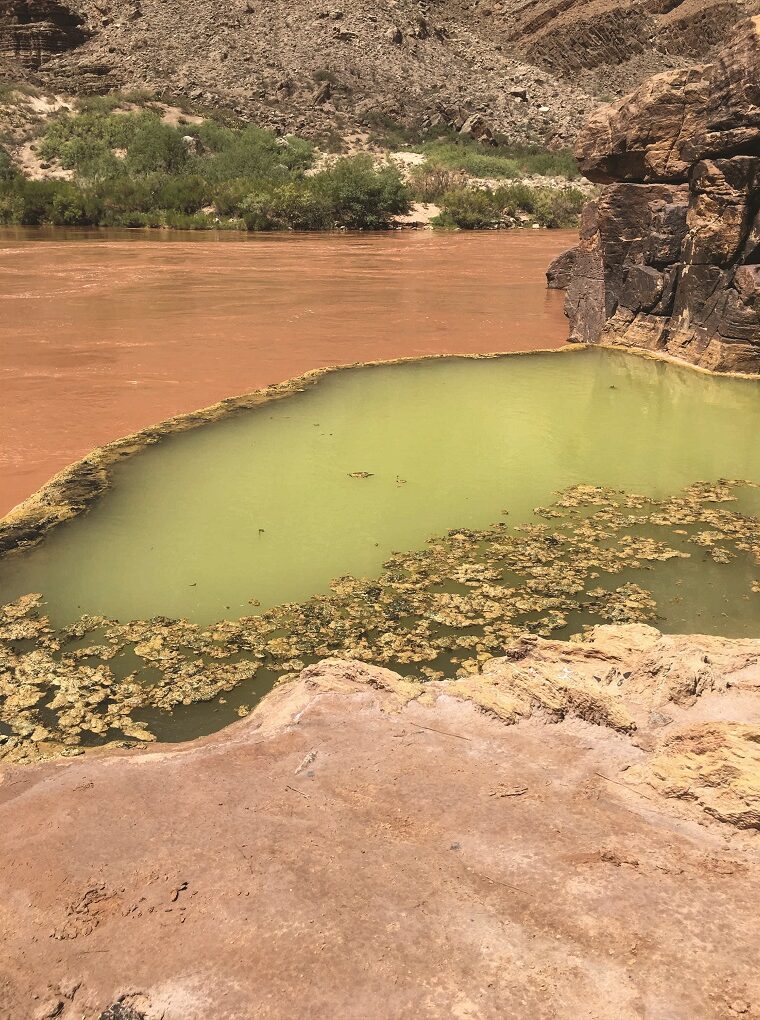
Its a hot clear day, brown and green algae in as well along the spring. Travertine around the spring. bubbles
pH: 7.96 | Conductance: 2.77 µS/cm | Salinity: 7.32% | Total Dissolved Solids (TDS): 7.47 mg/L | Dissolved Oxygen (DO): 3.66 mg/L | DO% Saturation: 53.2| Turbidity: 34.4 ntu | Water Temperature: 31.8 | Air Temperature: N/A | Phosphate (PO4): 6.5 mg/L | Nitrate (NO3): 0.000 mg/L| Nitrite (NO2): 0.000 mg/L| Inorganic Nitrogen (NO2 + NO3): .000 mg/L | Escherichia coli (E. coli) : 4
Year of Data: 2024
S26
Dragonflies, bees and flies around the spring, butterflies, turkey vultures, caddie flies in the water, may flies. Sunny no clouds. Cottonwood, moss. Sample was taken at the same site as the last visit.
pH: 8.21 | Conductance: 371 µS/cm | Salinity: 0.18% | Total Dissolved Solids (TDS): 178.2 mg/L | Dissolved Oxygen (DO): 8.46 mg/L | DO% Saturation: N/A| Turbidity: 3.56 ntu | Water Temperature: 23.1 | Air Temperature: N/A | Phosphate (PO4): 0.6 mg/L | Nitrate (NO3): 0.39 mg/L| Nitrite (NO2): 0.001 mg/L| Inorganic Nitrogen (NO2 + NO3): 0.391 mg/L | Escherichia coli (E. coli) : 18.5
Year of Data: 2024
S33
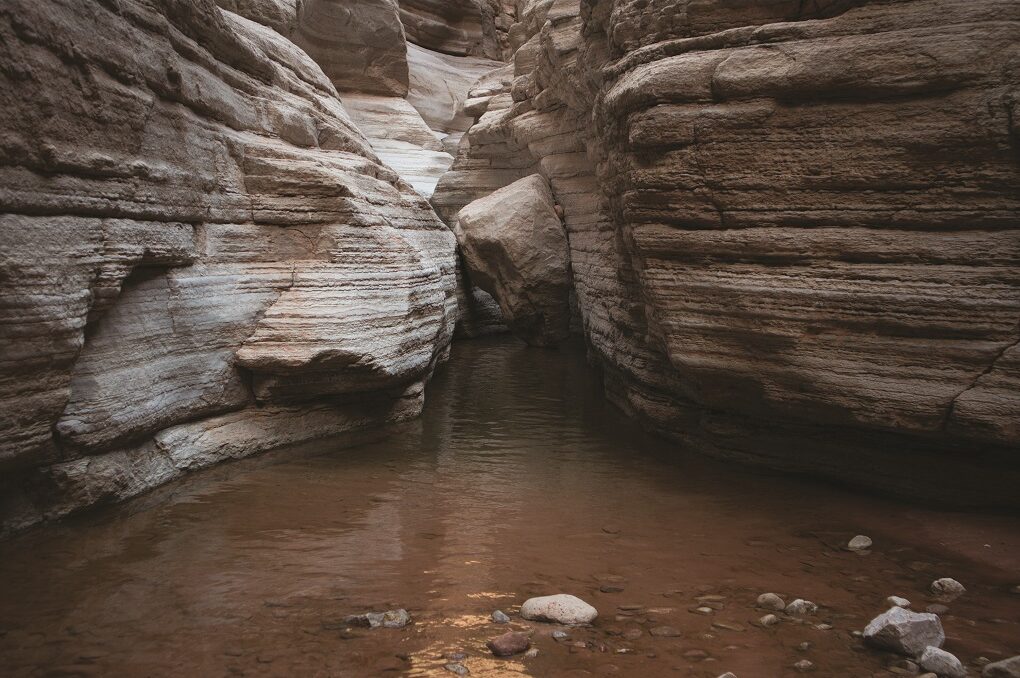
Red spotted toads (plenty), a few spots of algae growing, clay soil, two blue dragonflies, bird, boatman, water beetle, flies
pH: 8.42| Conductance: 1946 µS/cm | Salinity: 0.99% | Total Dissolved Solids (TDS): 980 mg/L | Dissolved Oxygen (DO): 8.29 mg/L | DO% Saturation: 107.9| Turbidity: 1.84 ntu | Water Temperature: 26.7 | Air Temperature: 34 | Phosphate (PO4): 1.7 mg/L | Nitrate (NO3): 0.02 mg/L| Nitrite (NO2): 0.002 mg/L| Inorganic Nitrogen (NO2 + NO3): 0.022 mg/L | Escherichia coli (E. coli) : 8.6
Year of Data: 2025
S35
The spring flow starts from underneath a huge bolder about 1/2 miles from the river. Its flowing about 10gpm. There is a pool of water about 2ft wide and 8ft long. The water is going underground. Tad poles are seen in the water.
pH: 7.52| Conductance: 2.25 µS/cm | Salinity: 1.15% | Total Dissolved Solids (TDS): 1140 mg/L | Dissolved Oxygen (DO): 6.00 mg/L | DO% Saturation: 75.8 | Turbidity: 1.22 ntu | Water Temperature: 23.5 Air Temperature: N/A | Phosphate (PO4): 0.7 mg/L | Nitrate (NO3): 0.09 mg/L| Nitrite (NO2): 0.008 mg/L| Inorganic Nitrogen (NO2 + NO3): 0.098mg/L | Escherichia coli (E. coli) : 15.3
Year of Data: 2024
S39
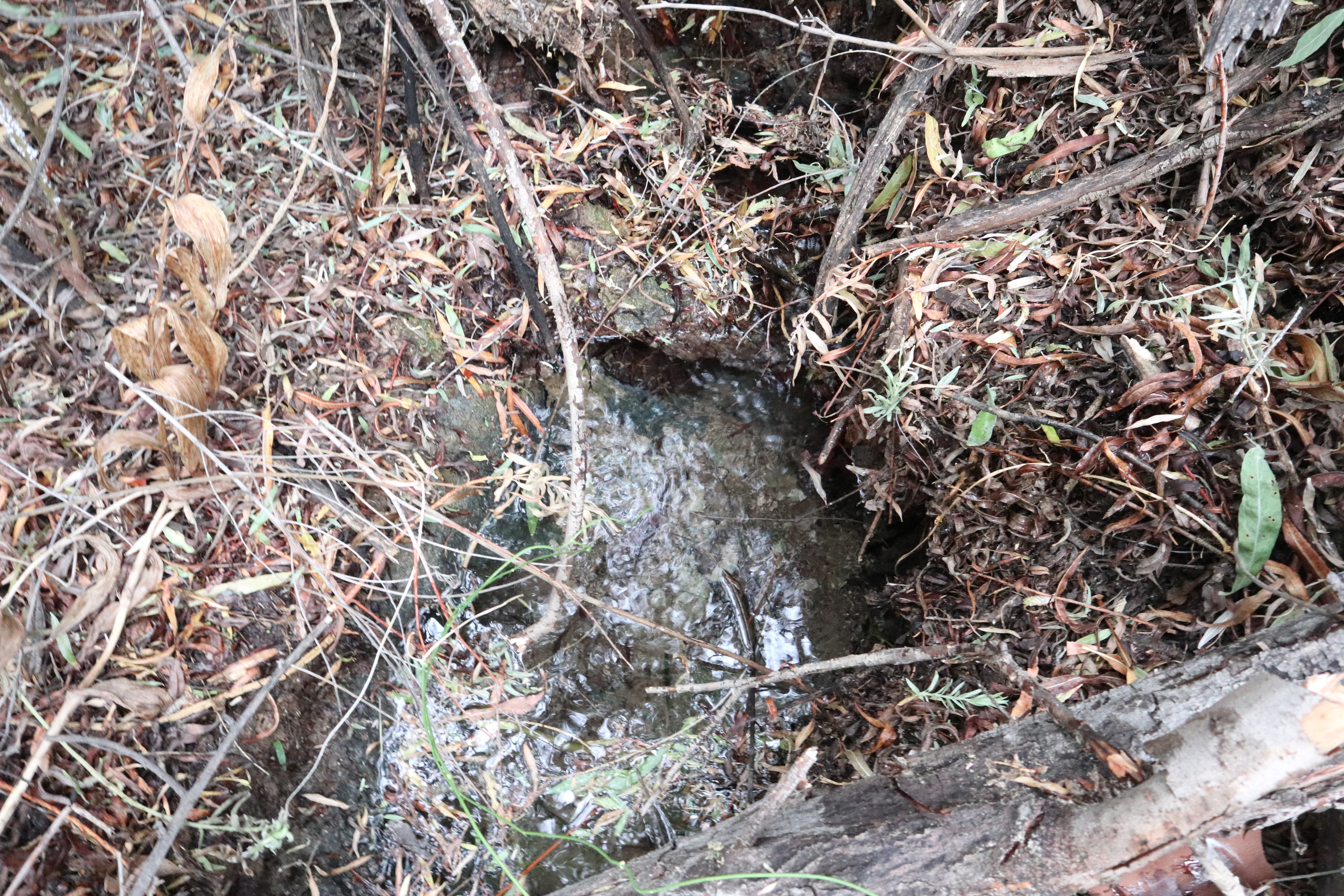
Really thick tree area, hard to get to area with running water. Honey Bees, ants, willow tree surrounding the whole area, dragonfly, mesquite tree, thistle
pH: 7.98 | Conductance: 7.99 µS/cm | Salinity: 0.37% | Total Dissolved Solids (TDS): 637 mg/L | Dissolved Oxygen (DO): 8.01 mg/L | DO% Saturation: 102.4 | Turbidity: 2.35 ntu | Water Temperature: 23.7| Air Temperature: 2.4 | Phosphate (PO4): 0.0 mg/L | Nitrate (NO3): 0.24 mg/L| Nitrite (NO2): 0.002 mg/L| Inorganic Nitrogen (NO2 + NO3): 0.242 mg/L | Escherichia coli (E. coli) : 21.1
Year of Data: 2025
S42
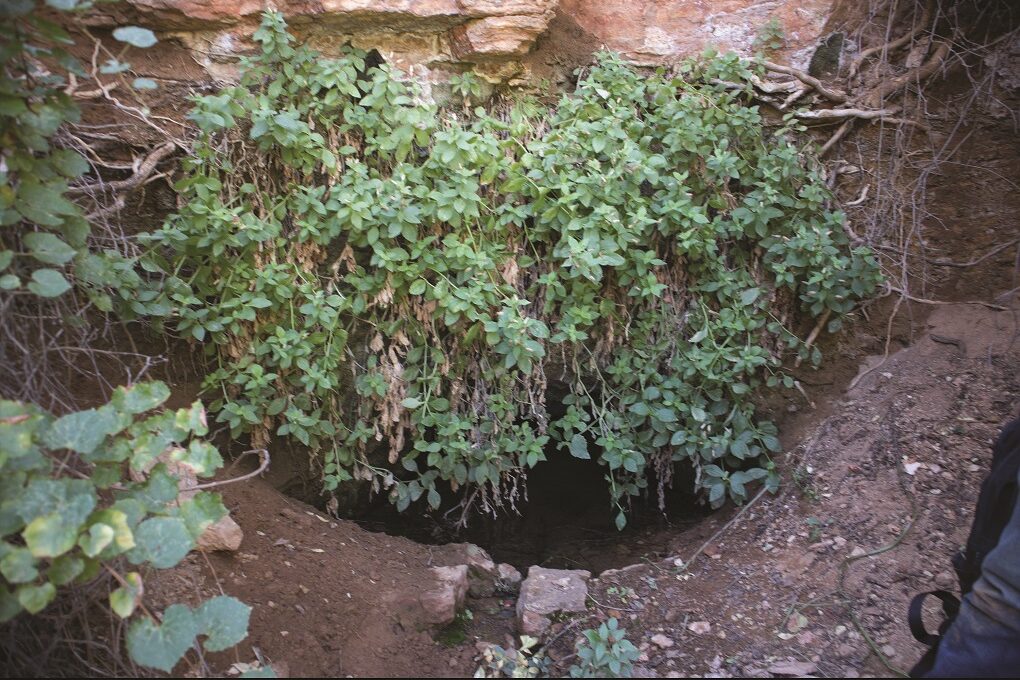
Rattle snake, monkey flower, clear sky, windy, cavernous spring with water dripping, located 30 yards from diamond creek road, wild grape vine, wildlife scat found along the trail up, (coyote scat and other), Boatman, strider, damsel fly
pH: 8.40 | Conductance: 575 µS/cm | Salinity: 0.28% | Total Dissolved Solids (TDS): 279 mg/L | Dissolved Oxygen (DO): 7.81 mg/L | DO% Saturation: 89.5| Turbidity: 0.80 ntu | Water Temperature: 14.8| Air Temperature: 20 | Phosphate (PO4): 1.5 mg/L | Nitrate (NO3): 0.55 mg/L| Nitrite (NO2): 0.006 mg/L| Inorganic Nitrogen (NO2 + NO3): 0.556 mg/L | Escherichia coli (E. coli) : 1
Year of Data: 2025
S44
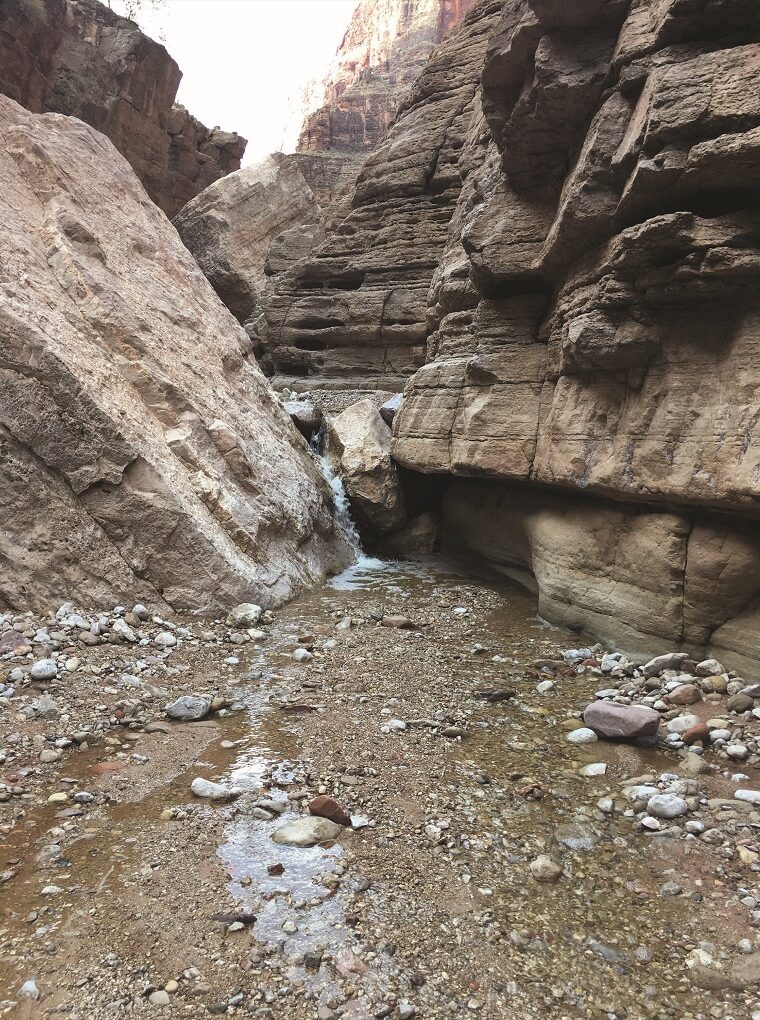
The spring flows starts from underneath a huge boulder about 1/2 miles from the river. Its flowing about 10gpm. There is a pool of water about 2ft wide and 8ft long, The water is going underground. Tad poles are seen in the water. Still sunny.
pH: 8.45 | Conductance: 535 µS/cm | Salinity: 0.26% | Total Dissolved Solids (TDS): 259 mg/L | Dissolved Oxygen (DO): 4.94 mg/L | DO% Saturation: 61.3| Turbidity: 321 ntu | Water Temperature: 18.5 | Air Temperature: 27.8 | Phosphate (PO4): 2.0 mg/L | Nitrate (NO3): 0.55 mg/L| Nitrite (NO2): 0.013 mg/L| Inorganic Nitrogen (NO2 + NO3): 0.563 mg/L | Escherichia coli (E. coli) : 79.4
Year of Data: 2024
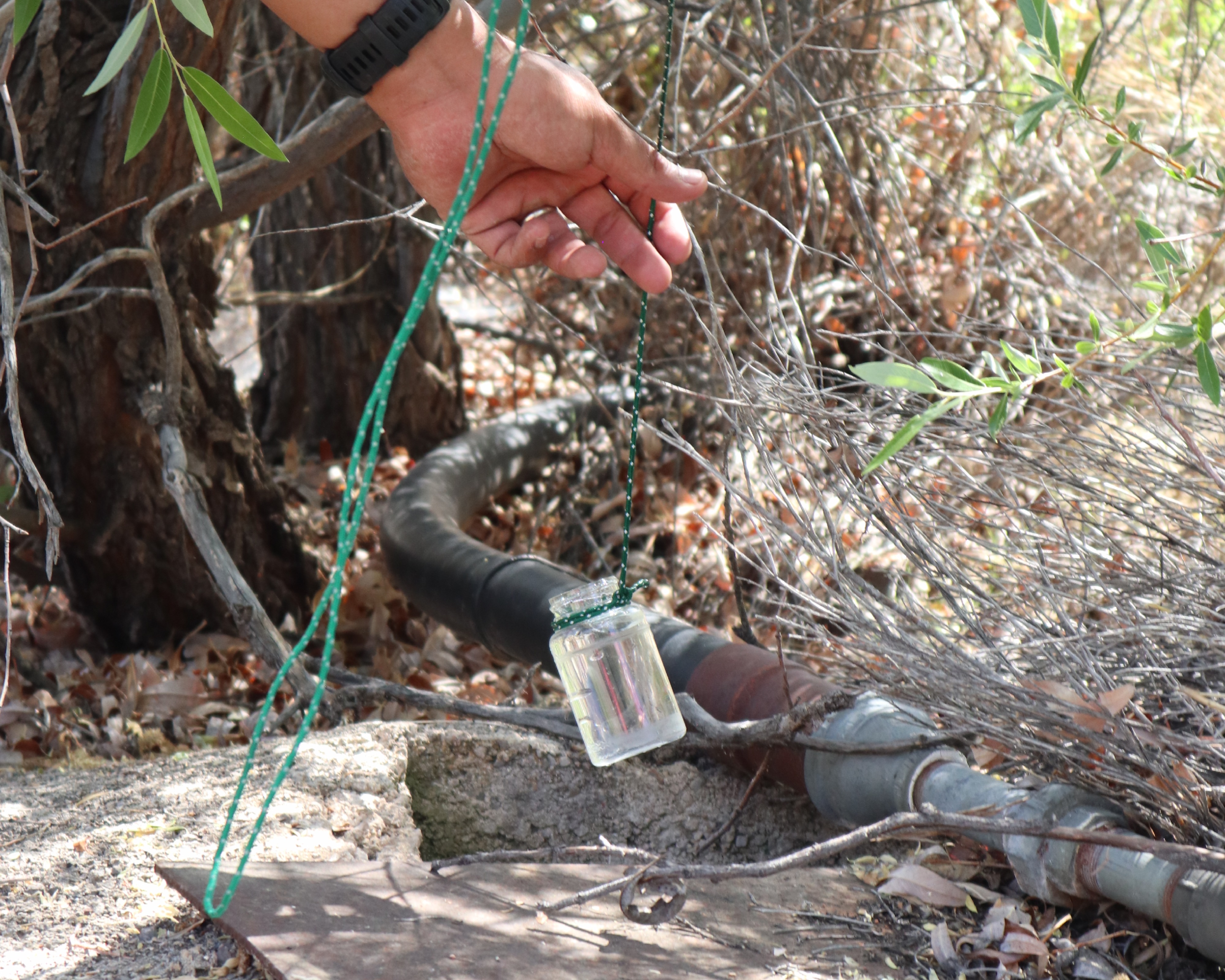
B2
Took sample from well with concrete top, spring general areas looks dry, mosquito larva in water, wildlife scat in the area, well underneath willow tree, wild flowers, signs of cattle, well water is approximately 10 feet from the top of concrete cover.
pH: 7.86 | Conductance: 670 µS/cm | Salinity: 0.33% | Total Dissolved Solids (TDS): 3.26 mg/L | Dissolved Oxygen (DO): 6.42 mg/L | DO% Saturation: 83.1| Turbidity: 0.99 ntu | Water Temperature: 18.7 | Air Temperature: 31 | Phosphate (PO4): 2.2 mg/L | Nitrate (NO3): 0.01 mg/L| Nitrite (NO2): 0.000 mg/L| Inorganic Nitrogen (NO2 + NO3): 0.01 mg/L | Escherichia coli (E. coli) : 3.0
Year of Data: 2025
B7
Spring water covered with algae, had to move algae to insert prob. Area has some grass, gooding willow, and some sage brush.
pH: 8.00| Conductance: 716 µS/cm | Salinity: 0.35% | Total Dissolved Solids (TDS): 350 mg/L | Dissolved Oxygen (DO):1.95 mg/L | DO% Saturation: N/A| Turbidity: 43.5 ntu | Water Temperature: 14.2 Air Temperature: N/A | Phosphate (PO4): 0.0 mg/L | Nitrate (NO3): 0.02 mg/L| Nitrite (NO2): 0.007 mg/L| Inorganic Nitrogen (NO2 + NO3): 0.027 mg/L | Escherichia coli (E. coli) : 1
Year of Data: 2024
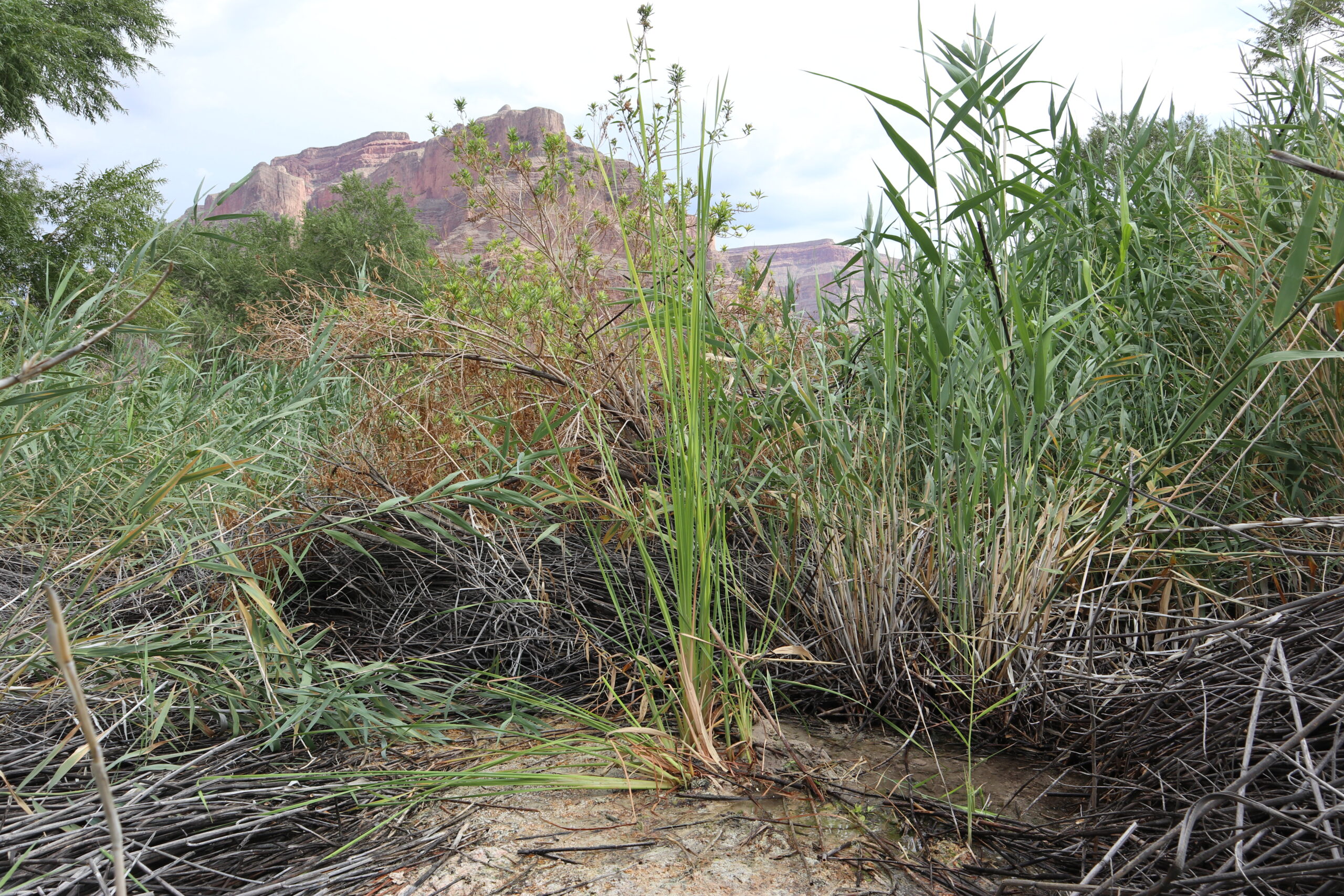
S1
Monkey flower, tons of cattail covering almost all water, honey bees, sampling site as moved since last visit, sage, willow tree, moth, flies, birds chirping.
pH: 8.39 | Conductance: 683 µS/cm | Salinity: 0.33% | Total Dissolved Solids (TDS): 333 mg/L | Dissolved Oxygen (DO): 8.34 mg/L | DO% Saturation: 106.8| Turbidity: 11.6 ntu | Water Temperature: 24.8| Air Temperature: 30 | Phosphate (PO4): 0.6 mg/L | Nitrate (NO3): 0.256 mg/L| Nitrite (NO2): 0.006 mg/L| Inorganic Nitrogen (NO2 + NO3): 0.556 mg/L | Escherichia coli (E. coli) : 547.5
Year of Data: 2025
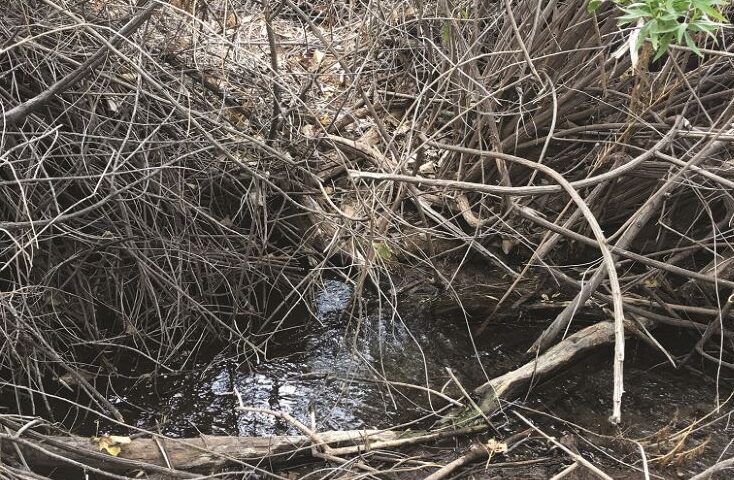
S2
Access to the water is near a large downed cottonwood tree. Flow remains the same as the last visit. The area is surrounded by coyote willow and cottonwood, with the stream measuring about 1 foot deep. Grand Canyon pink flower cactus was observed along the edge of the flow.
pH: 7.14 | Conductance: 465 µS/cm | Salinity: 0.22% | Total Dissolved Solids (TDS): 225 mg/L | Dissolved Oxygen (DO): 7.75 mg/L | DO% Saturation: 50.2 % | Turbidity: 0.89 ntu | Water Temperature: 24.1C | Air Temperature: N/A | Phosphate (PO4): 0.6 mg/L | Nitrate (NO3): 0.018 mg/L | Nitrite (NO2): 0.30 mg/L| Inorganic Nitrogen (NO2 + NO3): 0.318 mg/L | Escherichia coli (E. coli) : 137.6
Year of Data: 2024
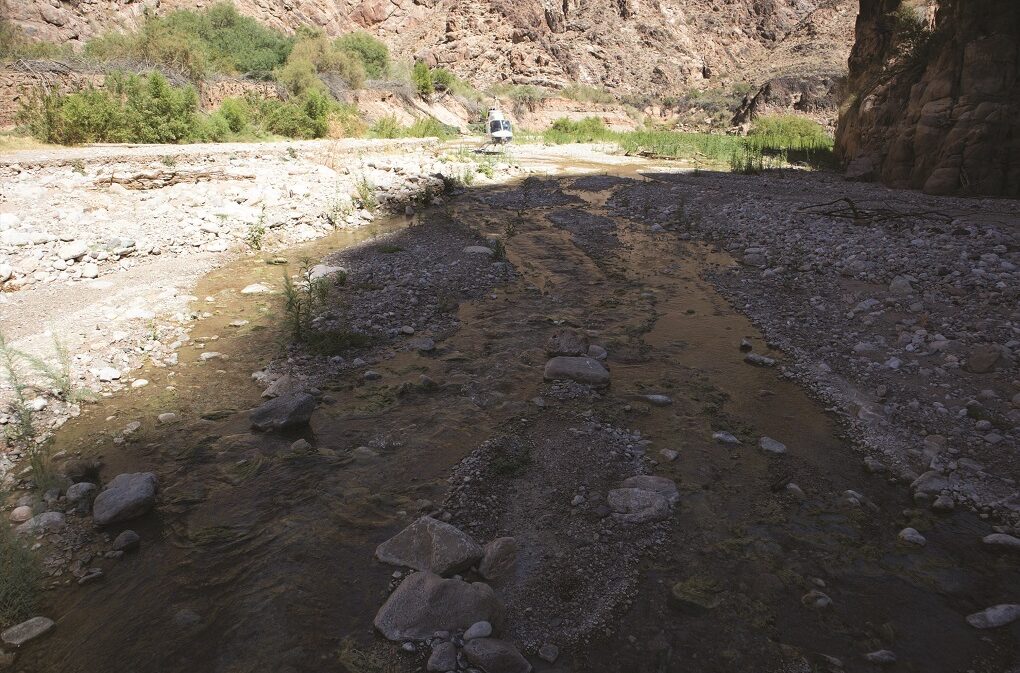
S3B
Tamarisk, coyote willow, cottonwood tree, flies, and cicadas
pH: 8.74 | Conductance: 535 µS/cm | Salinity: 0.26% | Total Dissolved Solids (TDS): 259 mg/L | Dissolved Oxygen (DO): 8.26 mg/L | DO% Saturation: 110 | Turbidity: 365 ntu | Water Temperature: 27.7 | Air Temperature: 92 | Phosphate (PO4): 1.5 g/L | Nitrate (NO3): 0.06 mg/L | Nitrite (NO2): 0.005 mg/L| Inorganic Nitrogen (NO2 + NO3): 0.068 mg/L | Escherichia coli (E. coli) : 7.4
Year of Data: 2025
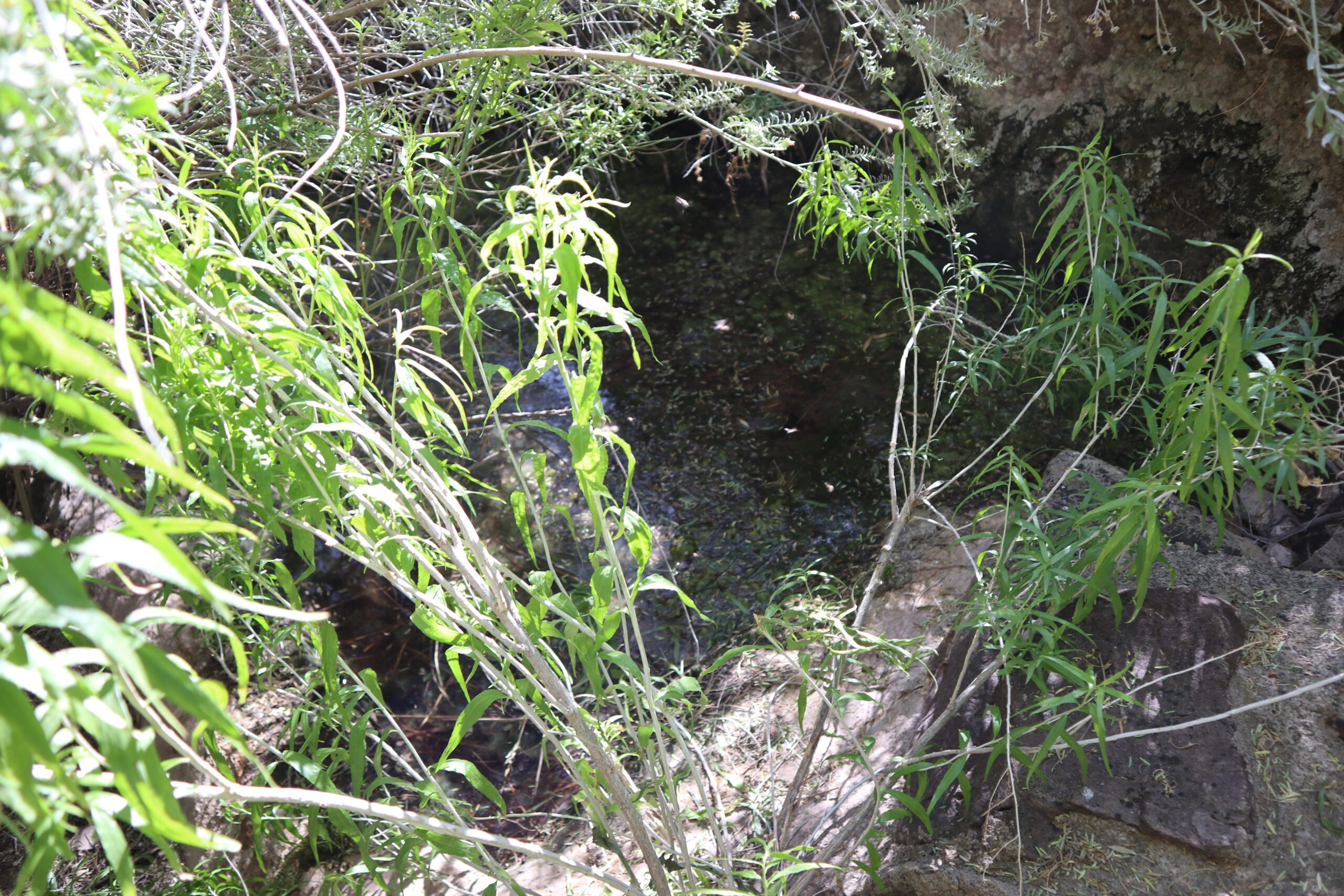
S5
A lot of tree growing around it, almost covering the area around the cement that borders the spring. Quail heard in the area, Mesquite tree, wasps, bees, flies, moth, grasshopper looking bug diving in water, algae growing in water, trail to spring is used by wildlife/game.
pH: 8.02 | Conductance: 1277 µS/cm | Salinity: 0.64% | Total Dissolved Solids (TDS): 633 mg/L | Dissolved Oxygen (DO): 0.26 mg/L | DO% Saturation: N/A| Turbidity: 14.1 ntu | Water Temperature: 20| Air Temperature: 31.7 | Phosphate (PO4): 2.3 mg/L | Nitrate (NO3): 0.01 mg/L| Nitrite (NO2): 0.007 mg/L| Inorganic Nitrogen (NO2 + NO3): 0.017 mg/L | Escherichia coli (E. coli) : 49.5
Year of Data: 2025
S7
Spring seen to have a little more flow on todays visit. Macros seen in water. Nice clear morning,
pH: 8.84| Conductance: 8.73 µS/cm | Salinity: 0.43% | Total Dissolved Solids (TDS): 428 mg/L | Dissolved Oxygen (DO): 8.69 mg/L | DO% Saturation: 112.3| Turbidity: 1.58 ntu | Water Temperature: 25.6 Air Temperature: N/A | Phosphate (PO4): 1.3 mg/L | Nitrate (NO3): 0.00 mg/L| Nitrite (NO2): 0.006 mg/L| Inorganic Nitrogen (NO2 + NO3): 0.006 mg/L | Escherichia coli (E. coli) : 9.7
Year of Data: 2024
S8
Lots of bees, flies, and butterflies, water is not flowing as much. dragonflies spotted, lots of grass, weather was hot with a slight breeze.
pH: 8 | Conductance: 371 µS/cm | Salinity: 0.18% | Total Dissolved Solids (TDS): 178.2 mg/L | Dissolved Oxygen (DO): 8.46 mg/L | DO% Saturation: N/A| Turbidity: 3.56 ntu | Water Temperature: 23.1 | Air Temperature: N/A | Phosphate (PO4): 0.6 mg/L | Nitrate (NO3): 0.39 mg/L| Nitrite (NO2): 0.001 mg/L| Inorganic Nitrogen (NO2 + NO3): 0.391 mg/L | Escherichia coli (E. coli) : 18.5
Year of Data: 2024
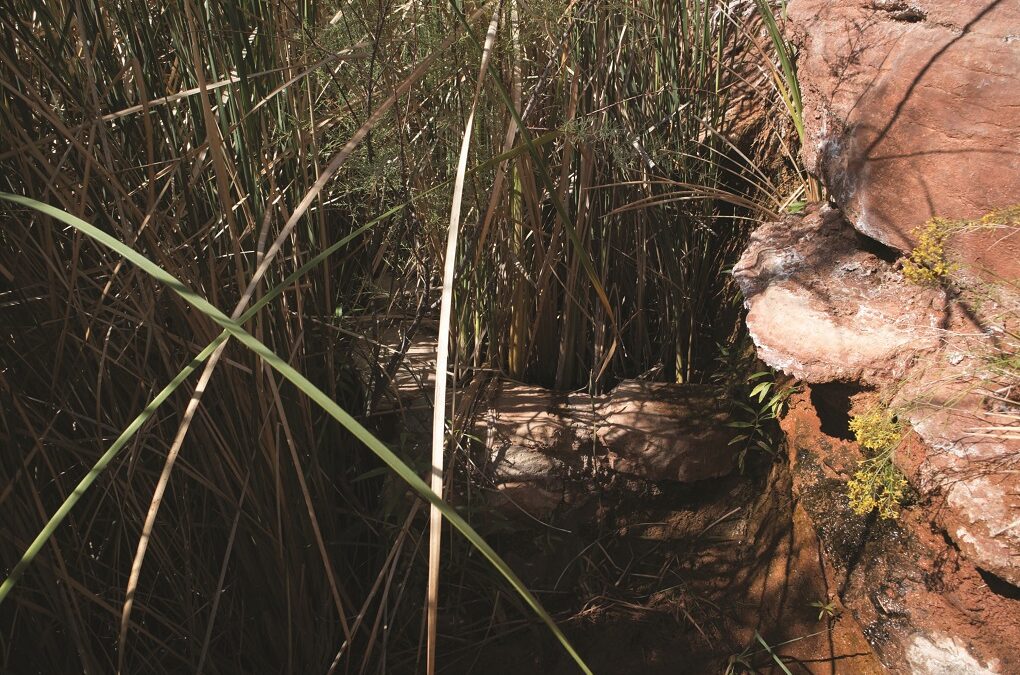
S11
Tall cattail is about 10ft tall and growing in and along the trough and overflow. WIllow trees also growing and a couple of tamarisk. The fence seems to be in good shape. There is a blue trough outside the fence and a pipe goring into the spring catchment. The float is broken and the pipe is probably plugged with sediment.
pH: 8.07 | Conductance: 1094 µS/cm | Salinity: 0.54% | Total Dissolved Solids (TDS): 540 mg/L | Dissolved Oxygen (DO): 6.64 mg/L | DO% Saturation: 89 | Turbidity: 53.1 ntu | Water Temperature: 28 | Air Temperature: 21.7 | Phosphate (PO4): 0.0 mg/L | Nitrate (NO3): 0.04 mg/L| Nitrite (NO2): 0.000 mg/L| Inorganic Nitrogen (NO2 + NO3): 0.04 mg/L | Escherichia coli (E. coli) : >2419.6
Year of Data: 2025
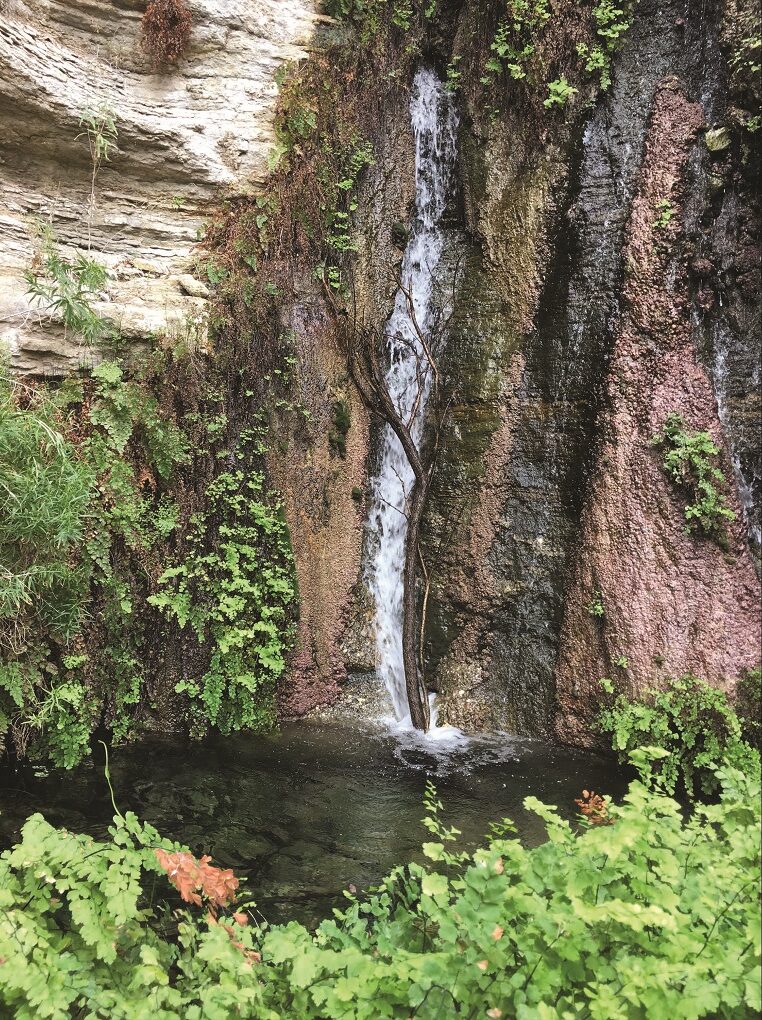
S14
The flow hasn’t changed much. The pool at the base of the waterfall seems to be deeper. Water cress and hanging garden growing on waterfall and pool. Tamarisk seen on top of the waterfall. Willow, mesquite, and arrow weed growing down stream.
pH: N/A | Conductance: 361 µS/cm | Salinity: 0.17% | Total Dissolved Solids (TDS): 173.7 mg/L | Dissolved Oxygen (DO): 8.16 mg/L | DO% Saturation: 109.2 | Turbidity: 1.22 ntu | Water Temperature: 27.1 | Air Temperature: N/A | Phosphate (PO4): 0.8 mg/L | Nitrate (NO3): 0.55 mg/L| Nitrite (NO2): 0.007 mg/L| Inorganic Nitrogen (NO2 + NO3): 0.557 mg/L | Escherichia coli (E. coli) : 5.2
Year of Data: 2024
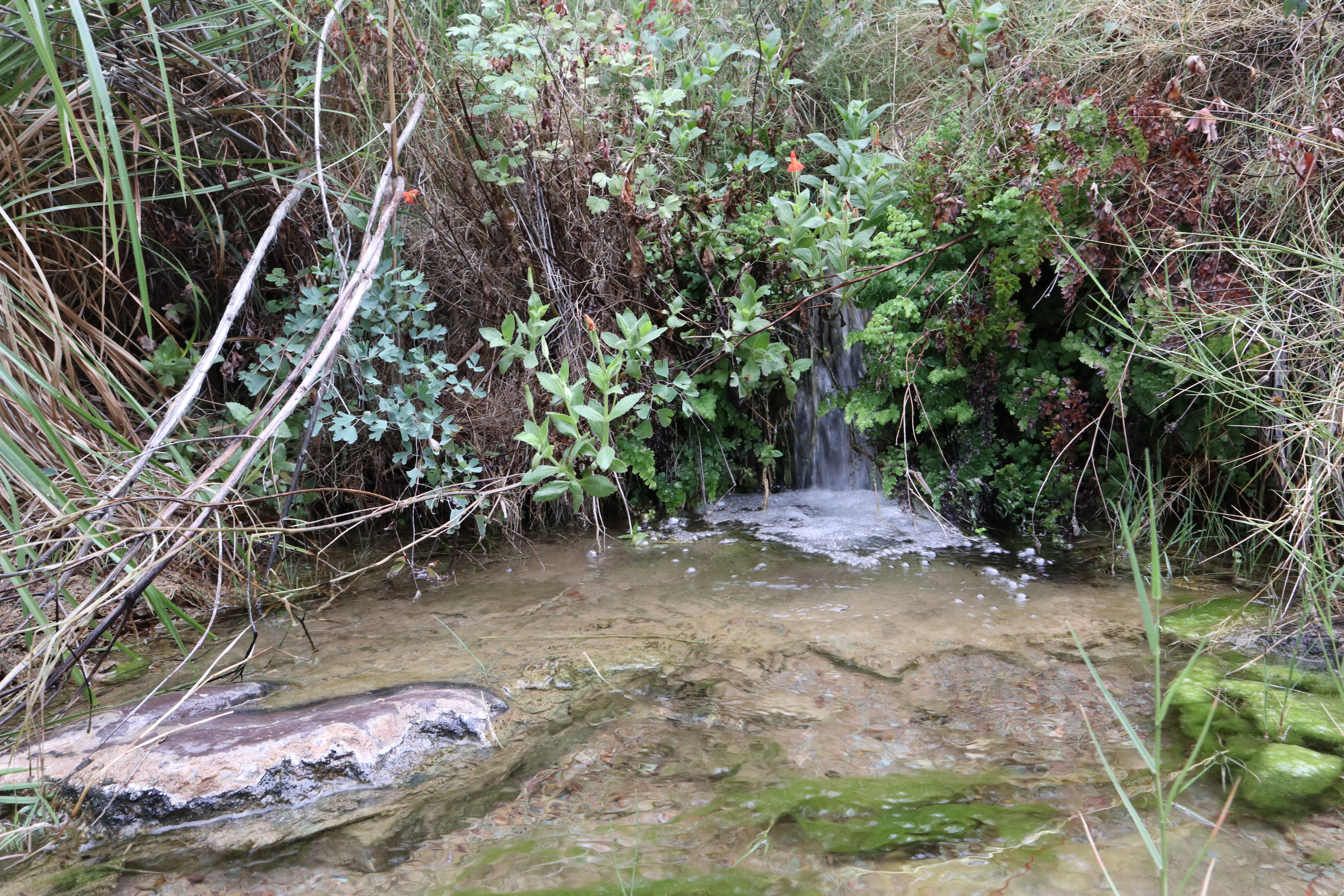
S16B
Water has moved down some since last visit, flow still lokes good (rained yesterday and the morning it drizzled), toads and tree frogs all over, monkey flower, cattail, spike brush, hanging garden, green algae, variations of grasses, plenty of burro scat, tamarisk, honey bees.
pH: 8.71 | Conductance: 718 µS/cm | Salinity: 0.35% | Total Dissolved Solids (TDS): 350 mg/L | Dissolved Oxygen (DO): 8.27 mg/L | DO% Saturation: 104.1| Turbidity: 0.97 ntu | Water Temperature: 21.7 | Air Temperature: 23 | Phosphate (PO4): 13 mg/L | Nitrate (NO3): 0.05 mg/L| Nitrite (NO2): 0.008 mg/L| Inorganic Nitrogen (NO2 + NO3): 0.058 mg/L | Escherichia coli (E. coli) : 1
Year of Data: 2025
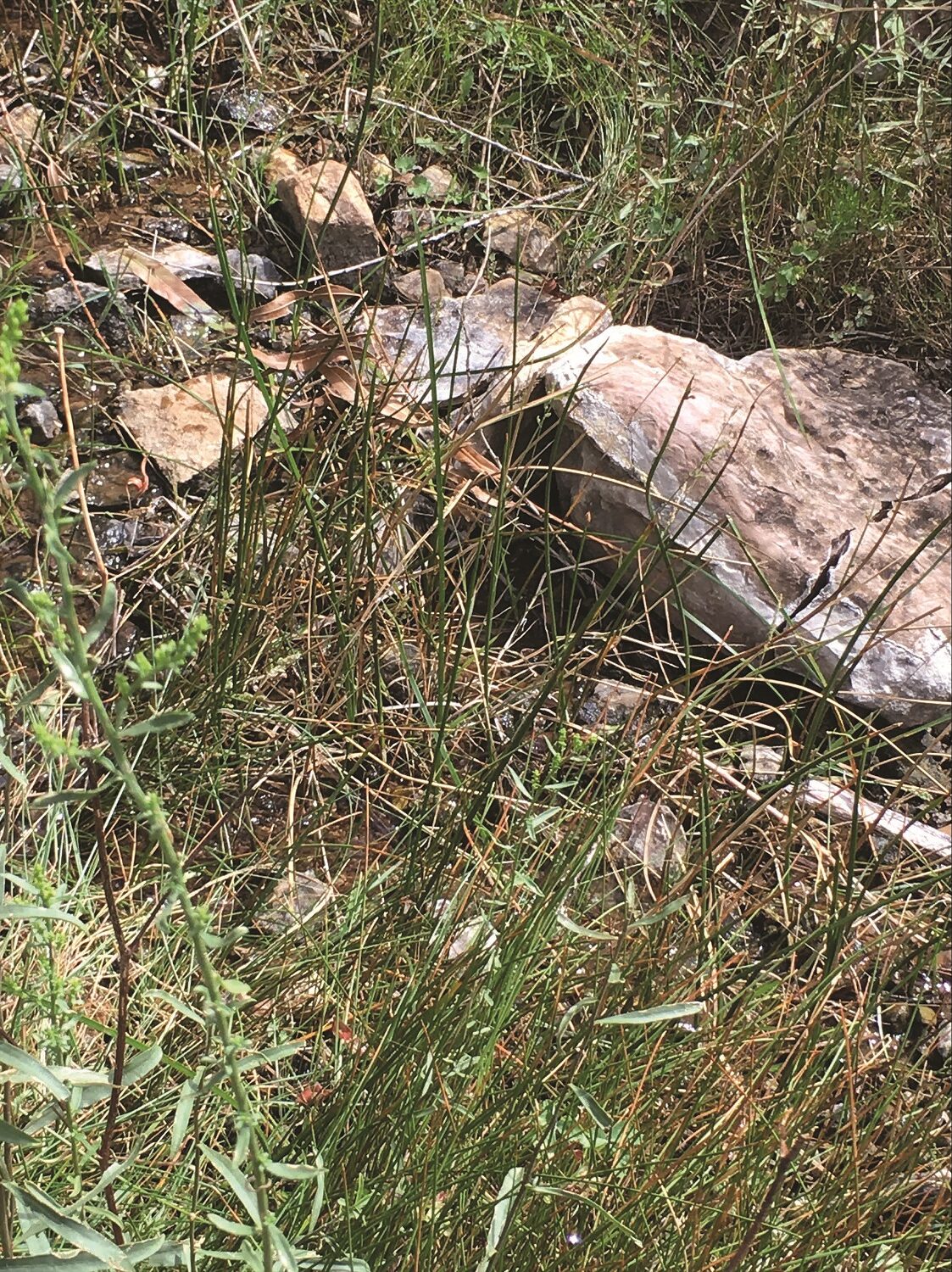
S18
The spring site has changed since the last visit. A willow tree fell close to the spring flow along the trail. Columbine willow, reed, spiked rush, and cedar trees. Bees, wasps, and lady bugs seen at spring. cool sunny morning.
pH: 8.46 | Conductance: 432 µS/cm | Salinity: 0.21% | Total Dissolved Solids (TDS): 208.5 mg/L | Dissolved Oxygen (DO): 8.42 mg/L | DO% Saturation: 105.1| Turbidity:12.5 ntu | Water Temperature: 18.8 | Air Temperature: N/A | Phosphate (PO4): 0.0 mg/L | Nitrate (NO3): 0.55 mg/L| Nitrite (NO2): 0.003 mg/L| Inorganic Nitrogen (NO2 + NO3): 0.553 mg/L | Escherichia coli (E. coli) : 15.3
Year of Data: 2024
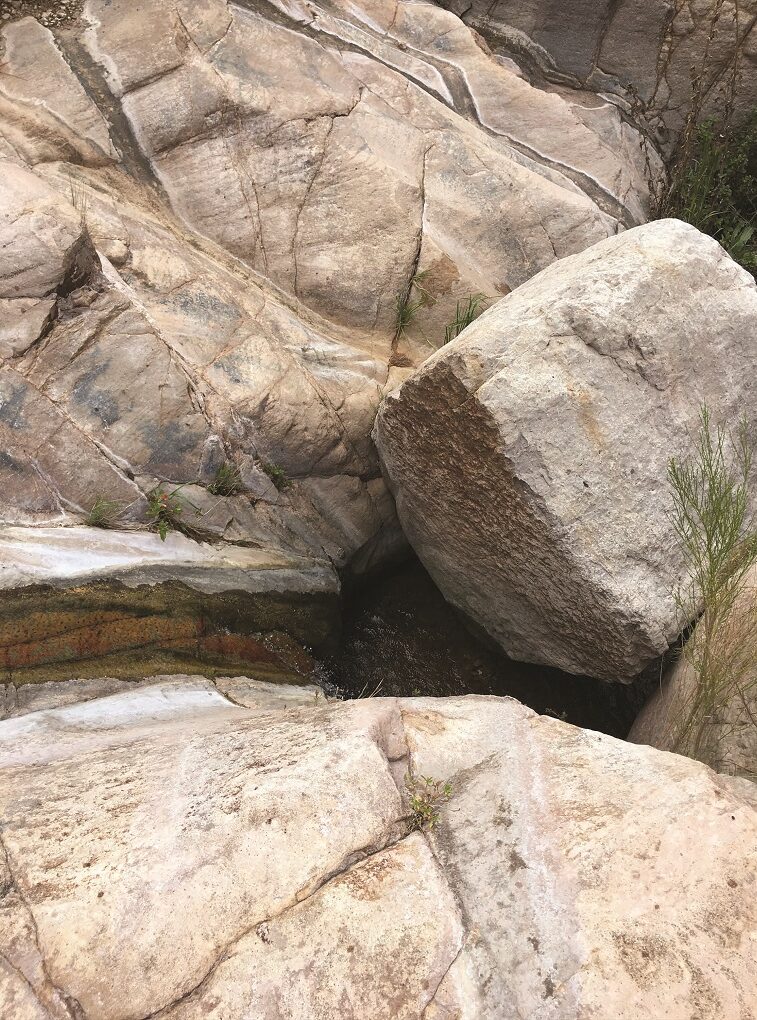
S23
Spring site looks very healthy. Flow is at about 25-30 gpm. Tall grass, arrow weed, coyote willow, and watercress grow along and in the flow. Tree frog seen and dragon flies. The spring is visited often by tourists. Big boulder wedged between two walls and water goes under it.
pH: 7.74 | Conductance: 849 µS/cm | Salinity: 0.42% | Total Dissolved Solids (TDS): 416 mg/L | Dissolved Oxygen (DO): 6.08 mg/L | DO% Saturation: 77.2| Turbidity: 0.44 ntu | Water Temperature: N/A| Air Temperature: N/A | Phosphate (PO4): 0.7 mg/L | Nitrate (NO3): 0.46 mg/L| Nitrite (NO2): 0.006 mg/L| Inorganic Nitrogen (NO2 + NO3): 0.46 mg/L | Escherichia coli (E. coli) : 0
Year of Data: 2022
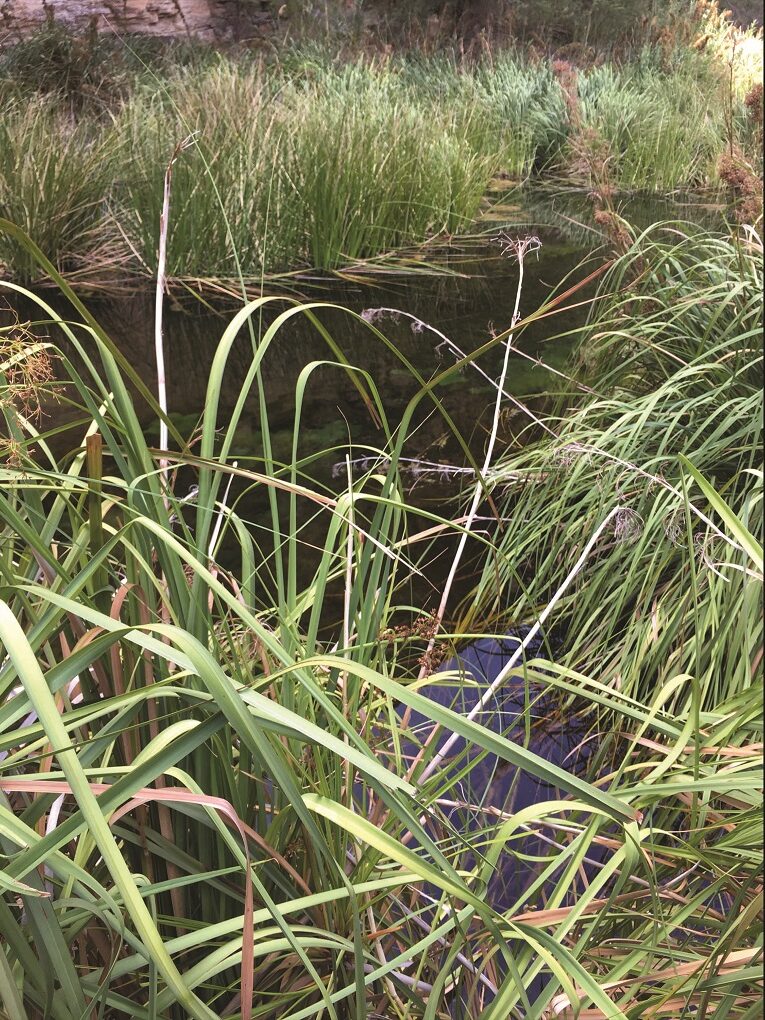
S29
A lot of saw grass surrounds the site. Nice shade over the spring. Plenty of water. The spring is right after Lava Rapid. The spring makes a pool of water about 5 ft deep. The water is very clear
pH: 6.61 | Conductance: 1578 µS/cm | Salinity: 0.8% | Total Dissolved Solids (TDS): 793 mg/L | Dissolved Oxygen (DO): 4.17 mg/L | DO% Saturation: 62.3| Turbidity: 0.45 ntu | Water Temperature: N/A| Air Temperature: N/A | Phosphate (PO4): 2.7 mg/L | Nitrate (NO3): 0.04 mg/L| Nitrite (NO2): 0.004 mg/L| Inorganic Nitrogen (NO2 + NO3): 0.044 mg/L | Escherichia coli (E. coli) : 1
Year of Data: 2022
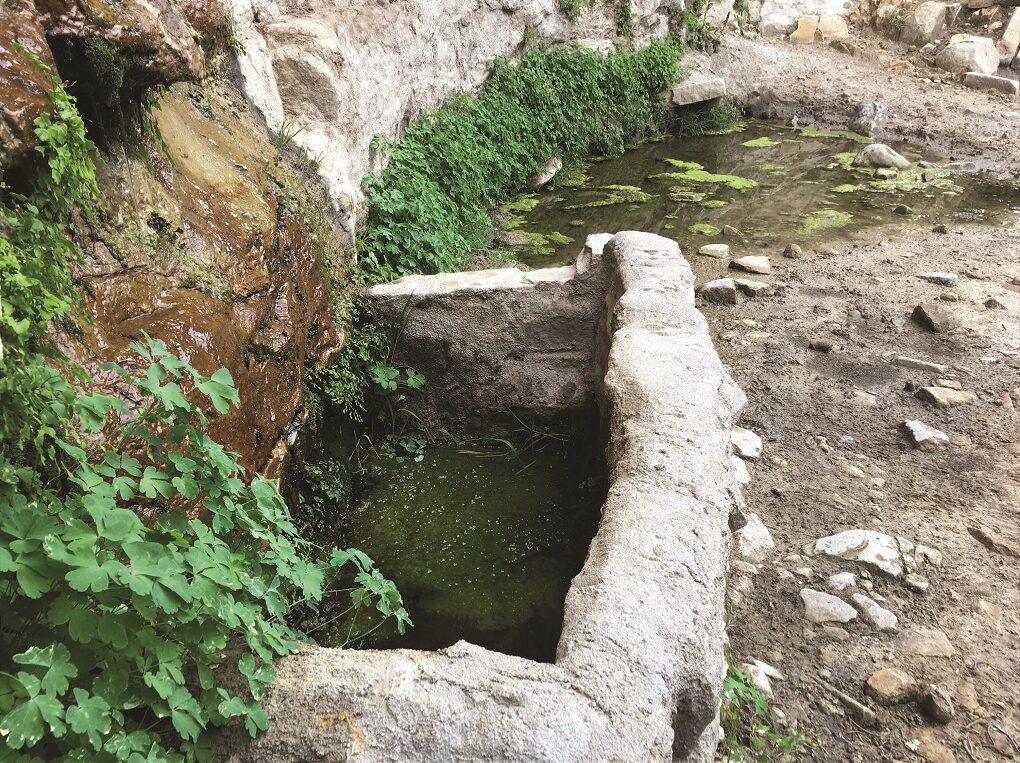
S34
The spring has been impacted by wild horses. The trail up to the spring is being heavily used. The site has horse manure all along the flow. The spring source has hanging garden, moss, water cress, and grass growing on the wall and at catchment. 8 horses seen making their way up to the spring.
pH: 8.35 | Conductance: 4.22 µS/cm | Salinity: 0.20% | Total Dissolved Solids (TDS): 203.3 mg/L | Dissolved Oxygen (DO): 9.01 mg/L | DO% Saturation: 117.4| Turbidity: 1.05 ntu | Water Temperature: 18.6| Air Temperature: N/A | Phosphate (PO4): 2.2 mg/L | Nitrate (NO3): 0.55 mg/L| Nitrite (NO2): 0.015 mg/L| Inorganic Nitrogen (NO2 + NO3): 0.565 mg/L | Escherichia coli (E. coli) : 186.0
Year of Data: 2024
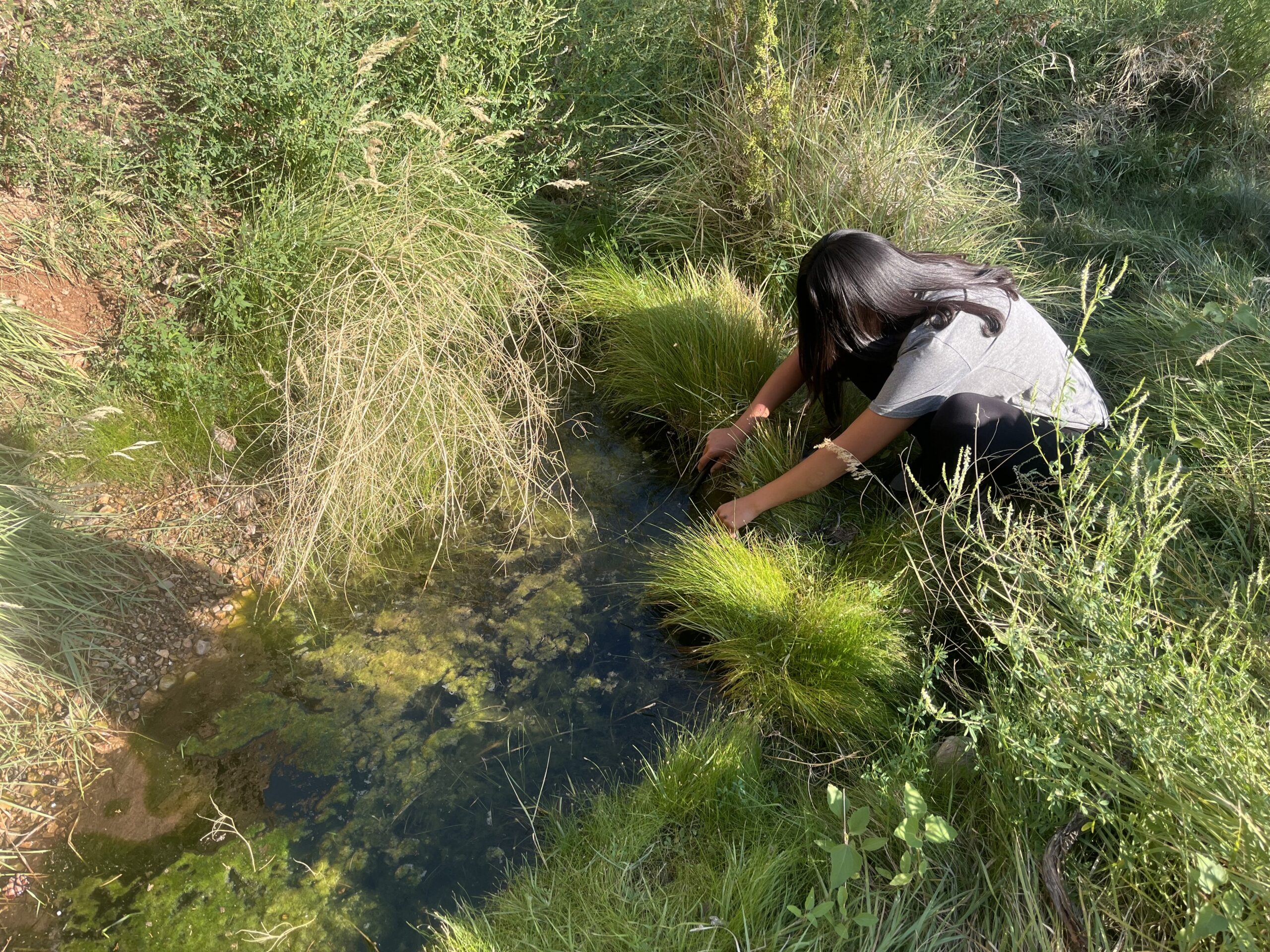
S38
Filled with algae, crickets, bees, different grasses bordering the spring. Tall wild grass, water is still, runs through a water trough that is full, visited by deer, many scrub jay using the water trough, damsel fly spotted, small spider spotted.
pH: 8.45 | Conductance: 535 µS/cm | Salinity: 0.26% | Total Dissolved Solids (TDS): 259 mg/L | Dissolved Oxygen (DO): 4.94 mg/L | DO% Saturation: 61.3| Turbidity: 321 ntu | Water Temperature: 18.5 | Air Temperature: 27.8 | Phosphate (PO4): 2.0 mg/L | Nitrate (NO3): 0.55 mg/L| Nitrite (NO2): 0.013 mg/L| Inorganic Nitrogen (NO2 + NO3): 0.563 mg/L | Escherichia coli (E. coli) : 79.4
Year of Data: 2025
S40
There’s flies, bees and butterflies. Columbine, water crest. Weather is hot with slight breeze, water bugs are seen on the water.
pH: 7.67 | Conductance: 429 µS/cm | Salinity: 0.21% | Total Dissolved Solids (TDS): 207.0 mg/L | Dissolved Oxygen (DO): 6.76 mg/L | DO% Saturation: N/A| Turbidity: 8.37 ntu | Water Temperature: 22.7 | Air Temperature: N/A | Phosphate (PO4): 0.0 mg/L | Nitrate (NO3): 0.04 mg/L| Nitrite (NO2): 0.009 mg/L| Inorganic Nitrogen (NO2 + NO3): 0.049 mg/L | Escherichia coli (E. coli) : 104.6
Year of Data: 2024
S43
There’s lots of bees flying around. Fish are swimming in the water. Blades of grass and palm trees surround the water. Its a hot, clear day with a slight breeze. Couple of dragonflies spotted.
pH: Out of Range | Conductance: 1158 µS/cm | Salinity: 0.57% | Total Dissolved Solids (TDS): 572 mg/L | Dissolved Oxygen (DO): 3.70 mg/L | DO% Saturation: N/A| Turbidity: 1.39 ntu | Water Temperature: 41.5| Air Temperature: N/A | Phosphate (PO4): N/A mg/L | Nitrate (NO3): N/A mg/L| Nitrite (NO2): N/A mg/L| Inorganic Nitrogen (NO2 + NO3): N/A mg/L | Escherichia coli (E. coli) : N/A
Year of Data: 2024
B1
The spring flow hasn’t changed. Water cress, monkey flower, willow, spiked bush and tamarisk grow along the stream. Tarantula hawk, vivid blue dancer, bumble bee. and birds seen. A skunk or badger came up to us while testing. Tree frogs sitting at the sample site.
pH: 5.06| Conductance: 383 µS/cm | Salinity: 0.18% | Total Dissolved Solids (TDS): 184.2 mg/L | Dissolved Oxygen (DO): 7.13 mg/L | DO% Saturation: 94.1| Turbidity: 1.18 ntu | Water Temperature: 22.1 Air Temperature: N/A | Phosphate (PO4): 0.7 mg/L | Nitrate (NO3): 0.02 mg/L| Nitrite (NO2): 0.005 mg/L| Inorganic Nitrogen (NO2 + NO3): 0.025 mg/L | Escherichia coli (E. coli) : 119.8
Year of Data: 2024
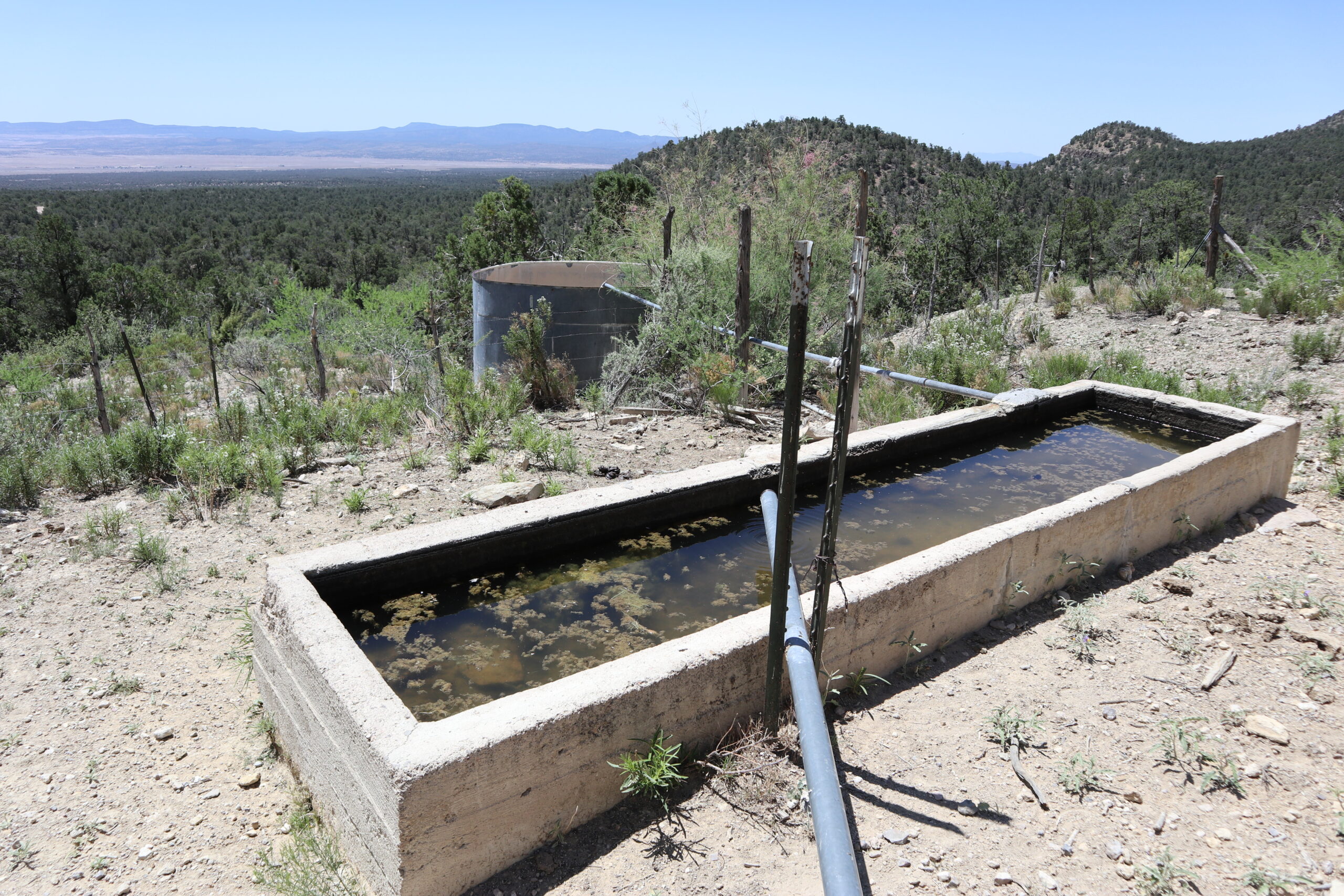
B4
Cow present, sampled water trough tipping into the spring, Algae in water, Bees, boatman, flies, and moths, most invertebrate composed of boatman, over 30 present. Silverleaf nightshade, paddle cactus, unknown bush with thin leaves and white flowers.
pH: 873 | Conductance: 903 µS/cm | Salinity: 0.44% | Total Dissolved Solids (TDS): 443 mg/L | Dissolved Oxygen (DO): 8.49 mg/L | DO% Saturation: 123.7| Turbidity: 5.22 ntu | Water Temperature: 25.1 | Air Temperature: 33.9| Phosphate (PO4): 1.3 mg/L | Nitrate (NO3): 0.02 mg/L| Nitrite (NO2): 0.00 mg/L| Inorganic Nitrogen (NO2 + NO3): 0.02 mg/L | Escherichia coli (E. coli) : 17.1
Year of Data: 2025
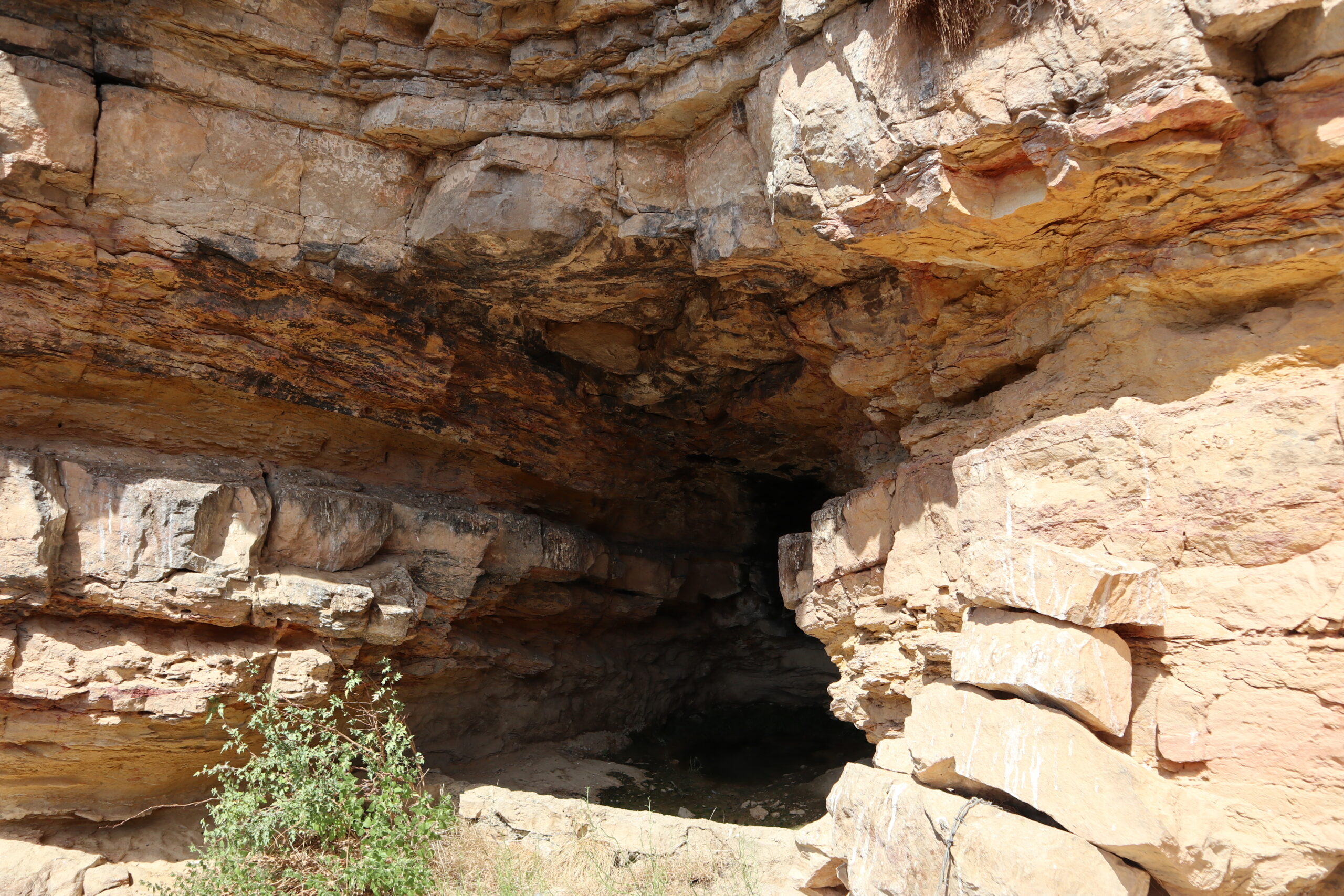
M1
There are signs of a lot of birds usage (bird poop), mountain lion scat, bird feathers scattered like if a bird was killed at entrance of the cave, wasps, beetle, crickets, grass growing in spring boundary, flies, moss growing where the water drips down, moss growing on mud in front of water puddle.
pH: 9.48| Conductance: 390 µS/cm | Salinity: 0.19% | Total Dissolved Solids (TDS): 187.7 mg/L | Dissolved Oxygen (DO): 12.99 mg/L | DO% Saturation: 182.4| Turbidity: 26.3 ntu | Water Temperature: 201.8 Air Temperature: 32 | Phosphate (PO4): 1.8 mg/L | Nitrate (NO3): 0.30 mg/L| Nitrite (NO2): 0.118 mg/L| Inorganic Nitrogen (NO2 + NO3): 0.418 mg/L | Escherichia coli (E. coli) : 88.9
Year of Data: 2025
Guide to Interpreting Water Parameters (DRAFT)
pH
Indicates acidity or alkalinity of the water, affecting the solubility and toxicity of other substances.
Normal range for drinking: 6.5 – 8.5
Total Dissolved Solids (TDS)
Indicates general purity of water and can be an early indicator of potential contamination.
Healthy range for springs: 50 – 500 mg/L
Low TDS (<50 mg/L) may indicate water with few nutrients.
High TDS (>500 mg/L) can affect taste, water chemistry, and the health of plants and aquatic organisms.
Dissolved Oxygen (DO)
Crucial for aquatic life, as low levels can suffocate fish and other organisms.
Healthy range:
6 – 14 mg/L (milligrams per liter)
Turbidity
Measures water clarity, which can be affected by suspended solids and affect light penetration for aquatic plants and animals.
Healthy range:
< 5 NTU (Nephelometric Turbidity Units)
Water and Air Temperature
Air temperature largely determines water temperature. Warmer water holds less oxygen, affects chemical and nutrient processes, impacts aquatic life with specific temperature needs, and can signal changes or thermal pollution in the watershed.
Healthy range for water temperature: 10°C – 25°C (50°F – 77°F)
Phosphate (PO4)
Essential for plant growth, but excessive amounts can be detrimental to water quality.
Healthy range: Generally <0.1 mg/L (higher levels can encourage excessive algae growth).
Inorganic Nitrogen (NO2 + NO3)
Nitrite (NO2) can be toxic at higher concentrations, while nitrate (NO3) is less toxic but can still pose risks.
Healthy range: Typically <1 mg/L (higher levels may indicate nutrient pollution).
Conductivity
How well water can conduct electricity, which is directly related to the concentration of dissolved ions (salts, minerals, etc.). Can indicate potential pollution or changes in water chemistry (e.g. an increase might indicate runoff from agricultural areas).
Healthy range:
50 – 500 µS/cm (microsiemens per centimeter)
Salinity
Measures the concentration of dissolved salts, including ions like calcium, magnesium, and sulfates in freshwater systems. High salinity can negatively impact aquatic life and can indicate saltwater intrusion or runoff from salt-rich areas.
Healthy range:
0 – 0.5 ppt (parts per thousand)
Escherichia coli (E. coli)
Bacteria found in the intestines of warm-blooded animals, including humans. Its presence is a strong indicator of fecal contamination and potential risk of waterborne diseases.
Safe level for recreational or incidental contact:
0 – 126 CFU/100 mL (CFU = colony-forming units)
Understanding Water Quality Parameters
Springs are delicate ecosystems, and their health depends on many different water quality factors. By monitoring these parameters, we can better understand how well a spring can support plants, animals, and the surrounding environment. Each parameter tells us something unique: whether the water is balanced for aquatic life, how much oxygen is available for fish and insects, how clear or cloudy the water is, or how minerals are moving through the system. Changes in these measurements can reveal important information about pollution, natural shifts, or human impacts. Tracking these details helps us protect the springs and ensure they remain healthy for the community, wildlife, and future generations.
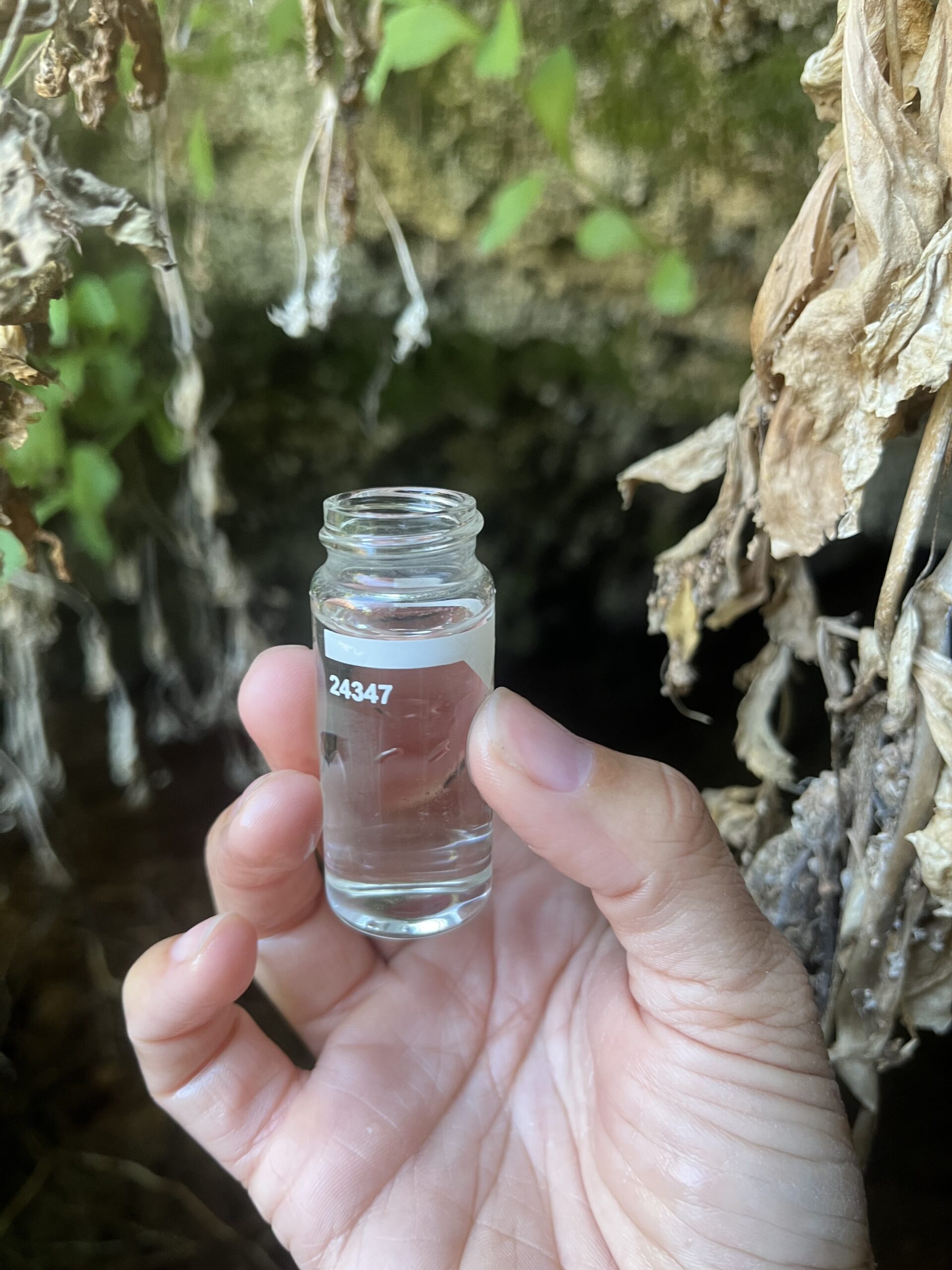
pH Scale
-
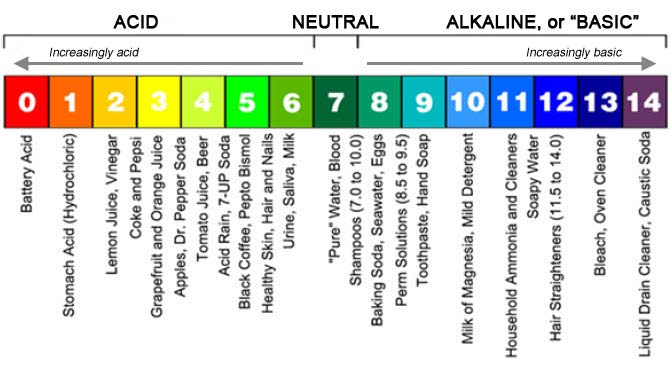
What it is: pH measures how acidic or basic (alkaline) water is, on a scale of 0 to 14.
-
Neutral point: pH 7 is considered neutral (pure water).
-
Low pH (acidic): Below 7 (e.g., vinegar, lemon juice).
-
High pH (alkaline): Above 7 (e.g., baking soda, soap).
-
Why it matters for springs:
-
Water that is too acidic or too alkaline can harm aquatic life, plants, and the overall health of the spring.
-
Healthy freshwater systems that support diverse plants and animals usually fall within the 6.5–8.5 range.
-
Monitoring pH helps us detect changes that may be linked to pollution, land use, or natural processes.
-
Click on the image for more information from EPA.
Temperature
- What it is: Temperature measures how warm or cool the water is, which influences many physical and biological processes.
-
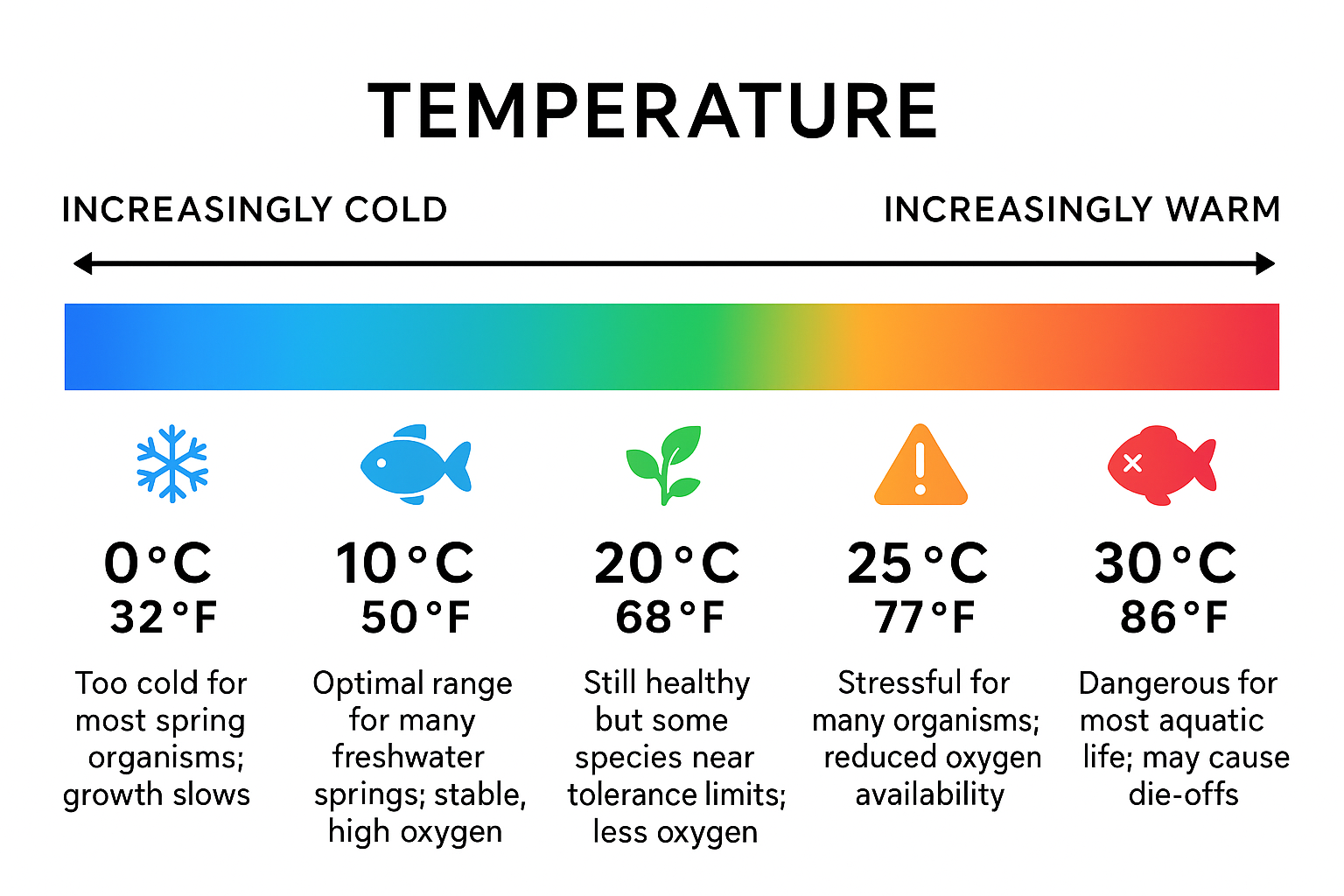
Typical range for natural freshwater springs: 10°C – 25°C (50°F – 77°F)
-
Springs tend to be cooler and stable compared to surface water; sudden spikes can stress organisms.
-
Why it matters for springs:
-
-
Warmer water holds less oxygen, which can stress aquatic life.
-
Certain plants and animals can only survive within specific temperature ranges.
-
Sudden shifts in temperature may signal environmental changes or disturbances.
-
Monitoring temperature helps us track seasonal patterns and long-term ecosystem health.
-
Dissolved Oxygen (DO)
- What it is: Dissolved oxygen refers to the amount of oxygen available in the water for aquatic organisms.
-
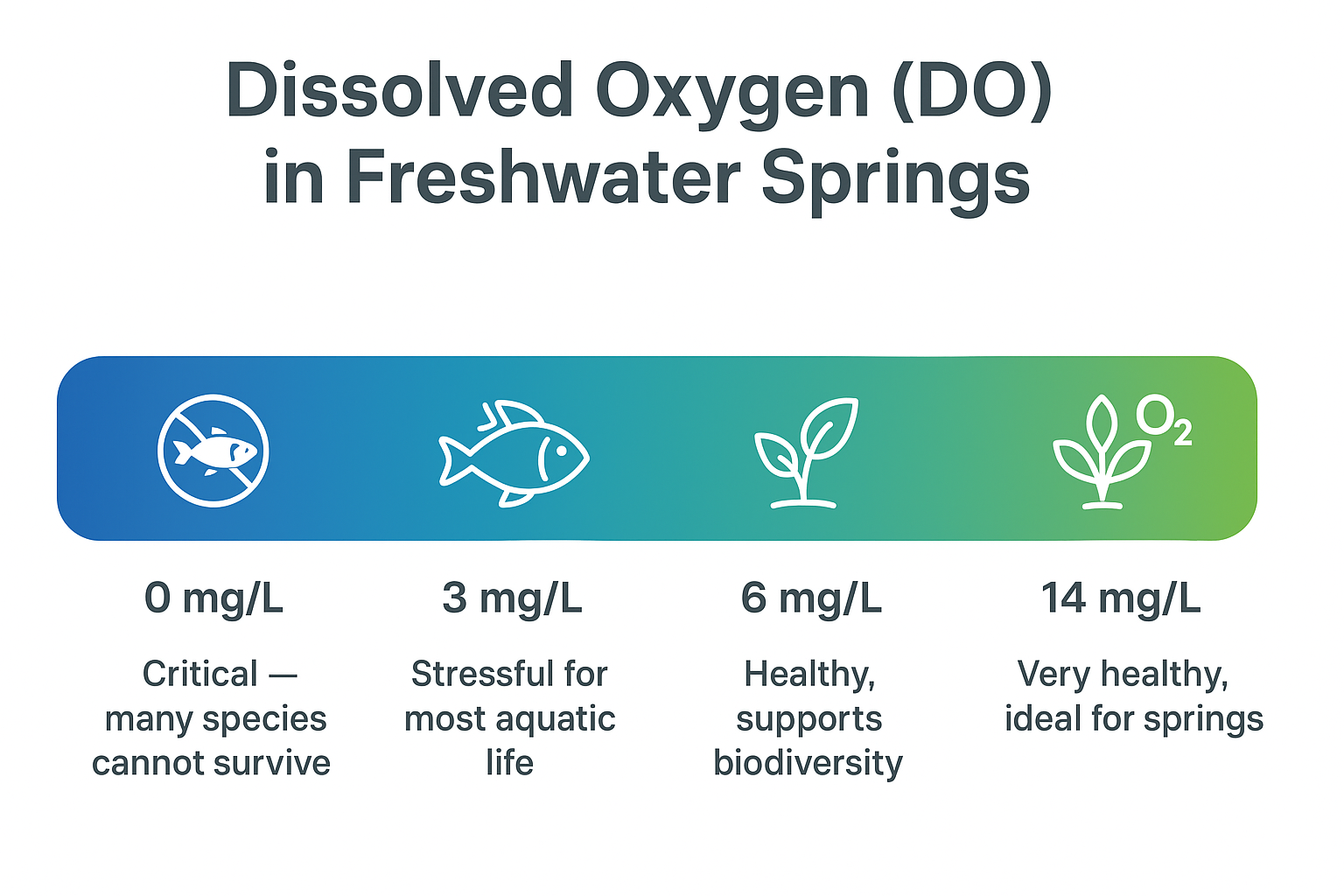
Healthy range: 6 – 14 mg/L (milligrams per liter)
-
Levels below ~5 mg/L can be stressful for most aquatic life; very low levels (<3 mg/L) can be critical.
-
Why it matters for springs:
-
-
Fish, insects, and other aquatic life need oxygen to survive.
-
Low oxygen levels can result from pollution, high water temperatures, or nutrient overload.
-
Healthy springs typically have high dissolved oxygen, supporting biodiversity.
-
Tracking DO helps us detect stress in the ecosystem before it becomes critical.
-
Turbidity (Clarity)
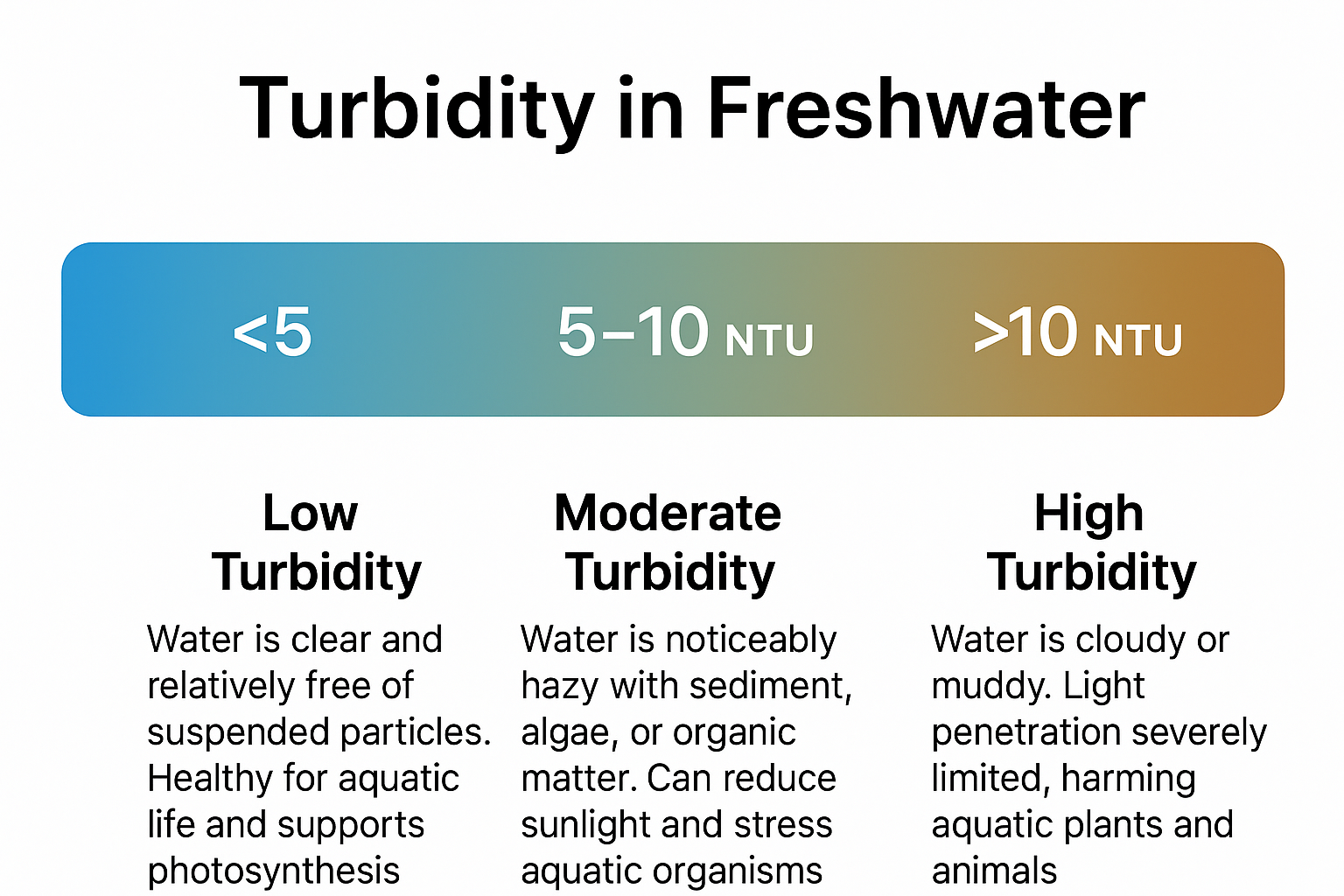
- What it is: Turbidity measures how clear or cloudy the water is, based on the amount of suspended particles.
-
Healthy range: <5 NTU (Nephelometric Turbidity Units)
-
Clear water supports photosynthesis for aquatic plants; higher turbidity can indicate sediment or runoff issues.
-
Why it matters for springs:
-
-
Clear water allows sunlight to reach aquatic plants, supporting healthy food webs.
-
High turbidity can block sunlight, limit plant growth, and stress aquatic organisms.
-
Cloudy water often indicates erosion, runoff, or other disturbances in the watershed.
-
Monitoring turbidity helps us evaluate both natural events and human impacts.
-
Escherichia coli (E. coli) - Bacteria Testing
- What it is: E. coli is a type of bacteria used as an indicator of water contamination.
-
Safe level for recreational or incidental contact: 0 – 126 CFU/100 mL (CFU = colony-forming units)
-
Higher levels indicate contamination and increased risk for human health.
-
Why it matters for springs:
-
-
While most strains are harmless, high levels indicate contamination from human or animal waste.
-
Contamination may also bring harmful microorganisms that pose risks to human health.
-
Testing for E. coli helps protect community safety as well as spring ecosystems.
-
Keeping E. coli levels low ensures trust in the health and integrity of these water sources.
-
Join Our Water Conservation Efforts
We invite you to become a part of our mission to preserve the Hualapai Tribe’s precious water resources. Whether you’re interested in learning more about our programs or want to contribute to our conservation efforts, your involvement is invaluable. Contact us today to discover how you can make a difference.